
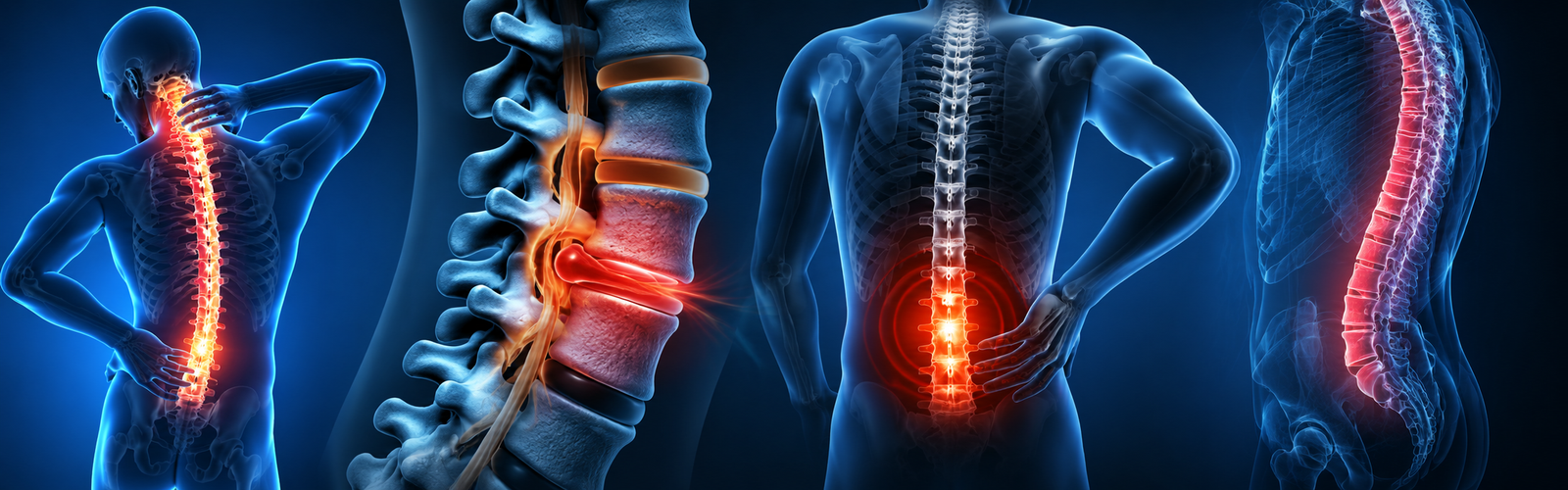
What is Spine Disease?
Spine disease refers to a group of conditions that affect the spinal column, spinal discs, vertebrae, nerves, and surrounding structures. These disorders can develop due to aging, injury, infections, congenital abnormalities, or degenerative changes in the spine. Spine diseases can cause pain, stiffness, reduced mobility, and nerve-related symptoms that interfere with daily activities and overall quality of life.
Common spine diseases include herniated discs, spinal stenosis, scoliosis, degenerative disc disease, and spinal infections. Depending on the severity and location of the condition, patients may experience back pain, neck pain, numbness, weakness, or difficulty walking. Early diagnosis and appropriate treatment are important for managing symptoms, preventing complications, and maintaining spinal health.
Why Are Spine Diseases Dangerous?
Spine diseases can be dangerous because they affect the spinal column and the nerves that control movement, sensation, and many essential body functions. When the spine becomes damaged or compressed, it can interfere with normal nerve signaling, leading to pain, weakness, numbness, and reduced mobility.
If left untreated, certain spine conditions can progressively worsen and cause chronic pain, nerve damage, and difficulty performing daily activities. Severe cases may affect balance, coordination, and muscle function, significantly impacting a person’s independence and quality of life.
In advanced stages, spine diseases can lead to serious complications such as permanent nerve injury, loss of bladder or bowel control, and paralysis. Early diagnosis, proper treatment, and rehabilitation are crucial for preventing long-term complications and preserving spinal function.
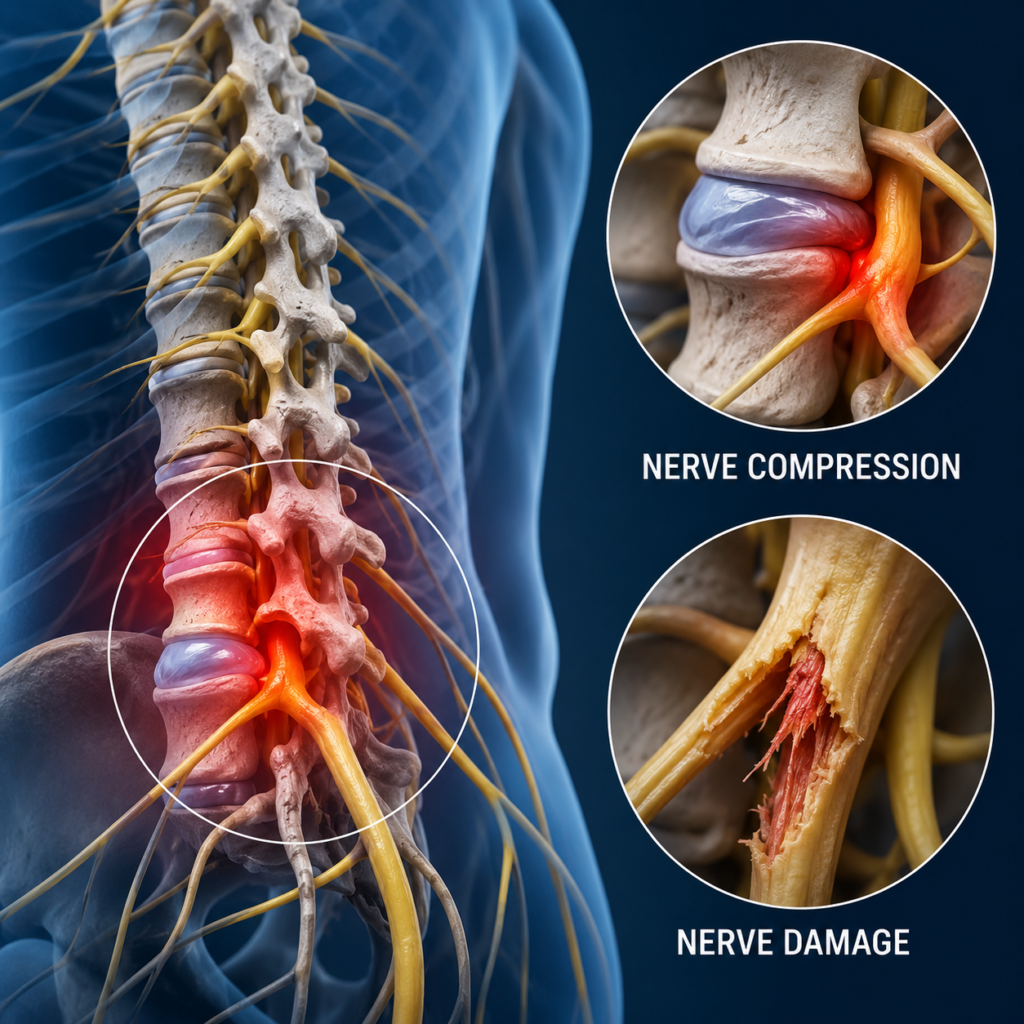
Nerve Compression and Damage
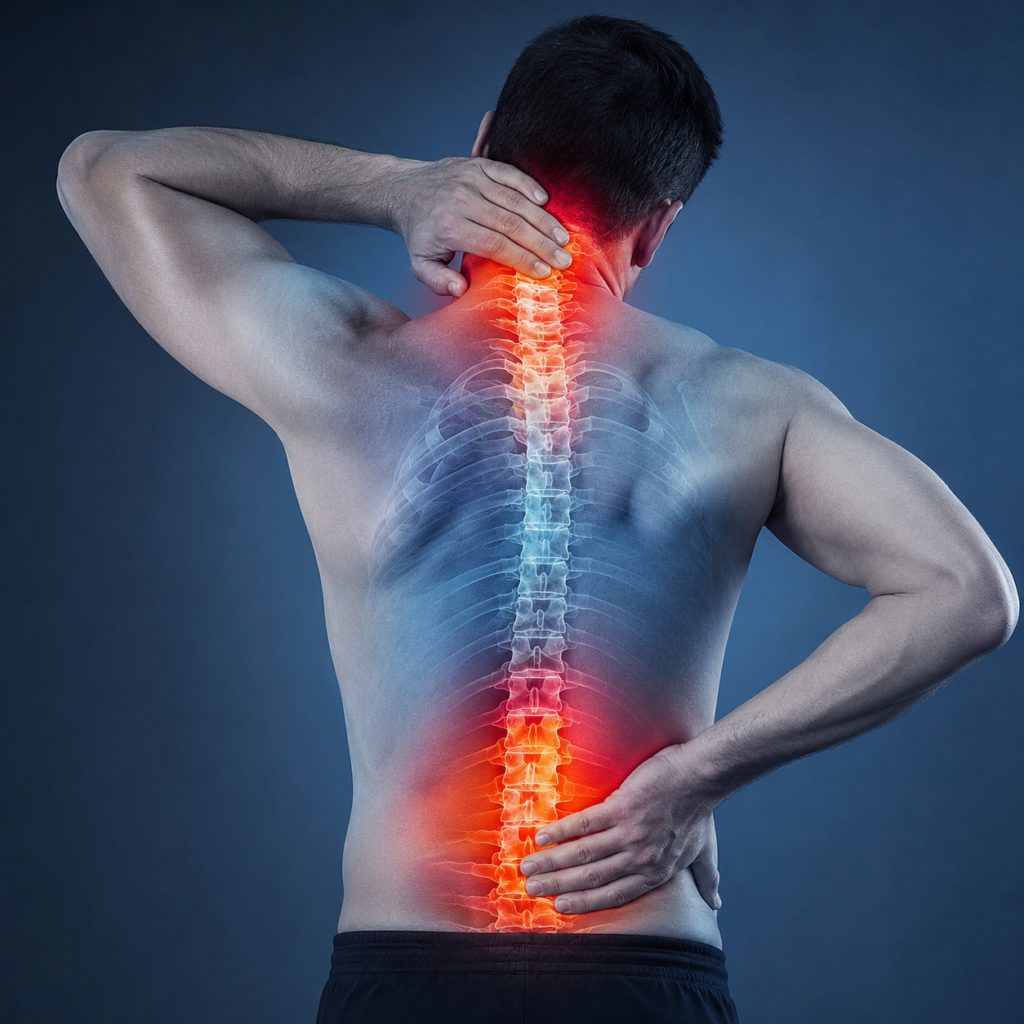
Chronic Back and Neck Pain

Reduced Mobility and Physical Function
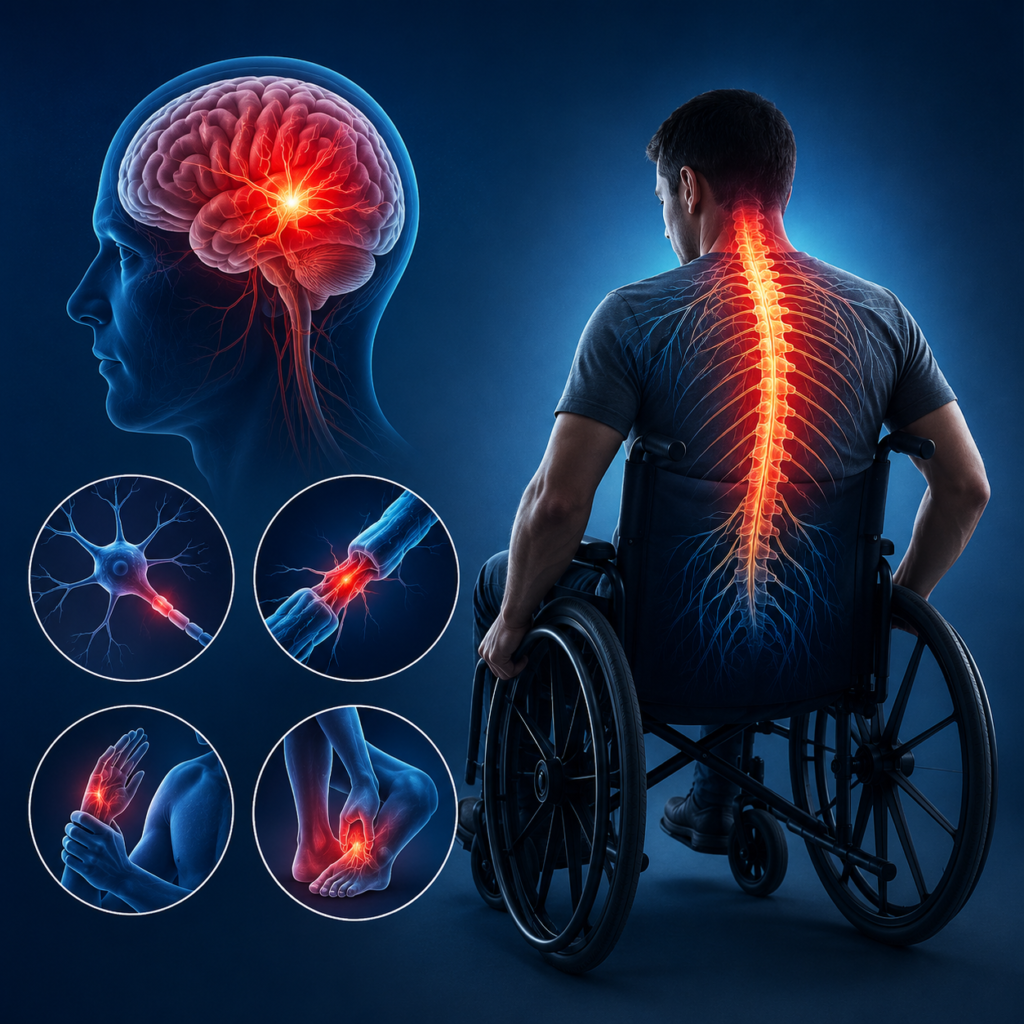
Risk of Paralysis and Neurological Complications
Risk Factors of Spine Diseases
Several factors can increase the risk of developing spine diseases. Aging is one of the most common causes, as the spinal discs and joints naturally undergo wear and tear over time. Poor posture, prolonged sitting, and repetitive movements can also place excessive stress on the spine, leading to degenerative changes and chronic pain.
Lifestyle factors such as obesity, lack of physical activity, and smoking can further contribute to spinal problems by increasing pressure on the spine and reducing the body’s ability to maintain healthy bones and tissues. Additionally, occupations that involve heavy lifting or repetitive bending may increase the risk of spinal injuries and disorders.
Previous spinal injuries, genetic predisposition, osteoporosis, and certain medical conditions can also make individuals more susceptible to spine diseases. Maintaining a healthy lifestyle and seeking early medical care for back or neck pain can help reduce the risk of long-term spinal complications.
Common Warning Signs
Spine diseases often develop gradually, and early symptoms may be mild but should not be ignored. One of the most common warning signs is persistent back or neck pain that does not improve with rest. The pain may worsen with movement, prolonged sitting, or physical activity.
Many patients also experience stiffness in the spine, reduced flexibility, and difficulty in bending or twisting. Nerve-related symptoms such as numbness, tingling, or weakness in the arms or legs can indicate spinal nerve compression and should be evaluated promptly.
In more severe cases, individuals may face problems with balance, walking, or coordination. Some spine conditions can also lead to radiating pain down the limbs (sciatica) or loss of bladder and bowel control, which requires immediate medical attention.
Effective Treatment for Spine Diseases
The treatment of spine diseases depends on the type and severity of the condition. In many cases, medications are used to reduce pain, inflammation, and muscle stiffness. Doctors may also recommend rest and lifestyle modifications to prevent further strain on the spine.
Physiotherapy plays a major role in strengthening the back and neck muscles, improving posture, and increasing flexibility. Regular guided exercises help reduce pain and support long-term spinal health. In some cases, injections may be used to relieve severe nerve pain or inflammation.
For advanced or severe spine conditions, surgical intervention may be required to correct structural problems, relieve nerve compression, or stabilize the spine. With proper treatment and rehabilitation, most patients can achieve significant improvement in symptoms and quality of life.

Medicines

Physiotherapy

Injections

Surgery
Complications of Spine Diseases
Spine diseases can lead to several complications if not treated in time. One of the most common issues is chronic pain, which can persist for long periods and affect daily activities. Many patients also experience reduced mobility, making it difficult to walk, sit, or perform routine tasks comfortably.
Nerve compression is another serious complication that can cause numbness, tingling, or weakness in the arms and legs. In advanced cases, this may progress to significant nerve damage, affecting overall body function and independence.
Severe spine conditions can also lead to loss of balance, deformities, or even paralysis in extreme cases. Early diagnosis and proper treatment are essential to prevent these complications and maintain spinal health.
Conclusion
Spine diseases are common conditions that can significantly affect movement, comfort, and overall quality of life if not treated properly. Early diagnosis and timely treatment are important to prevent complications such as chronic pain, nerve damage, and mobility issues.
With the right combination of medications, physiotherapy, lifestyle changes, and surgical care when needed, most spine conditions can be effectively managed. Regular exercise, good posture, and a healthy lifestyle also play an important role in maintaining long-term spinal health and preventing future problems.