
What is Spinal Neuro-Intervention?
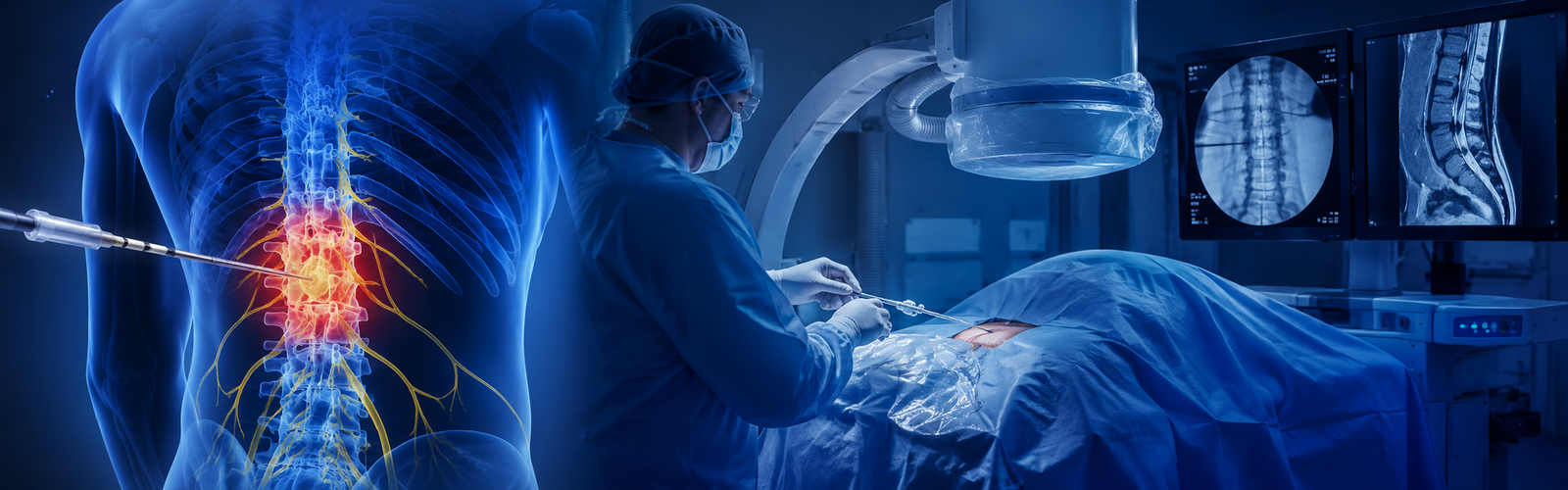
Spinal Neuro-Intervention is a minimally invasive medical procedure used to diagnose and treat disorders related to the spine and spinal nerves. It is performed using advanced imaging techniques like X-ray or CT guidance to accurately target the affected area without the need for major surgery. This technique is commonly used to relieve pain, treat nerve compression, and manage various spinal conditions.
It is often recommended for patients suffering from chronic back pain, slipped disc, spinal stenosis, nerve inflammation, or other spine-related problems that do not improve with conservative treatment. Spinal neuro-intervention helps reduce pain, improve mobility, and enhance overall quality of life with quicker recovery and minimal complications compared to traditional surgery.
Why Is Spinal Neuro-Intervention Dangerous?
Although Spinal Neuro-Intervention is a minimally invasive and generally safe procedure, it still carries certain risks. Since the treatment involves working near the spinal cord and nerves, there is a small possibility of nerve irritation or injury, which may lead to pain, numbness, or weakness in some cases.
Like any medical procedure, there is also a risk of infection, bleeding, or damage to nearby blood vessels. Patients may experience temporary discomfort, swelling, or soreness at the treatment site following the procedure.
While serious complications are uncommon, they can occur in rare cases, particularly in patients with underlying health conditions. Proper evaluation, experienced specialists, and advanced imaging guidance help minimize these risks and ensure the best possible outcomes.
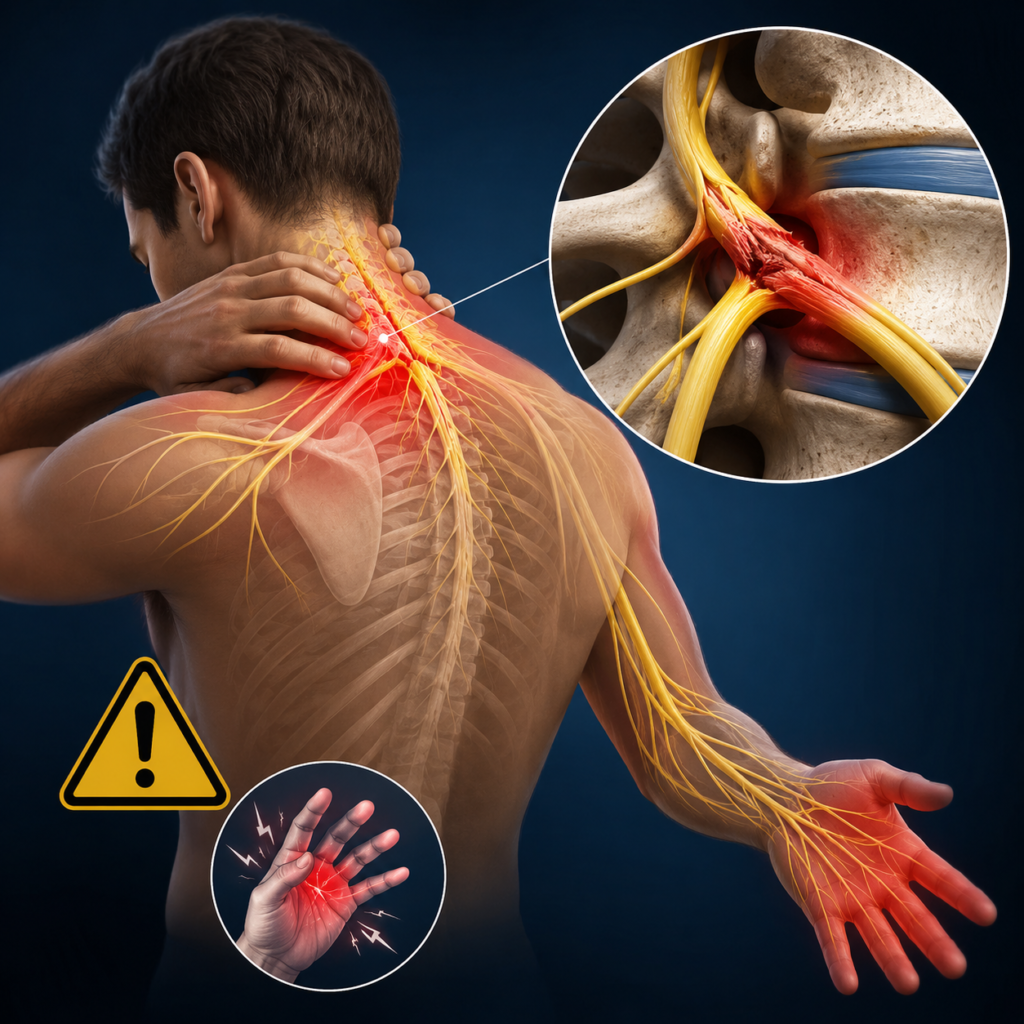
Risk of Nerve Injury

Possibility of Infection
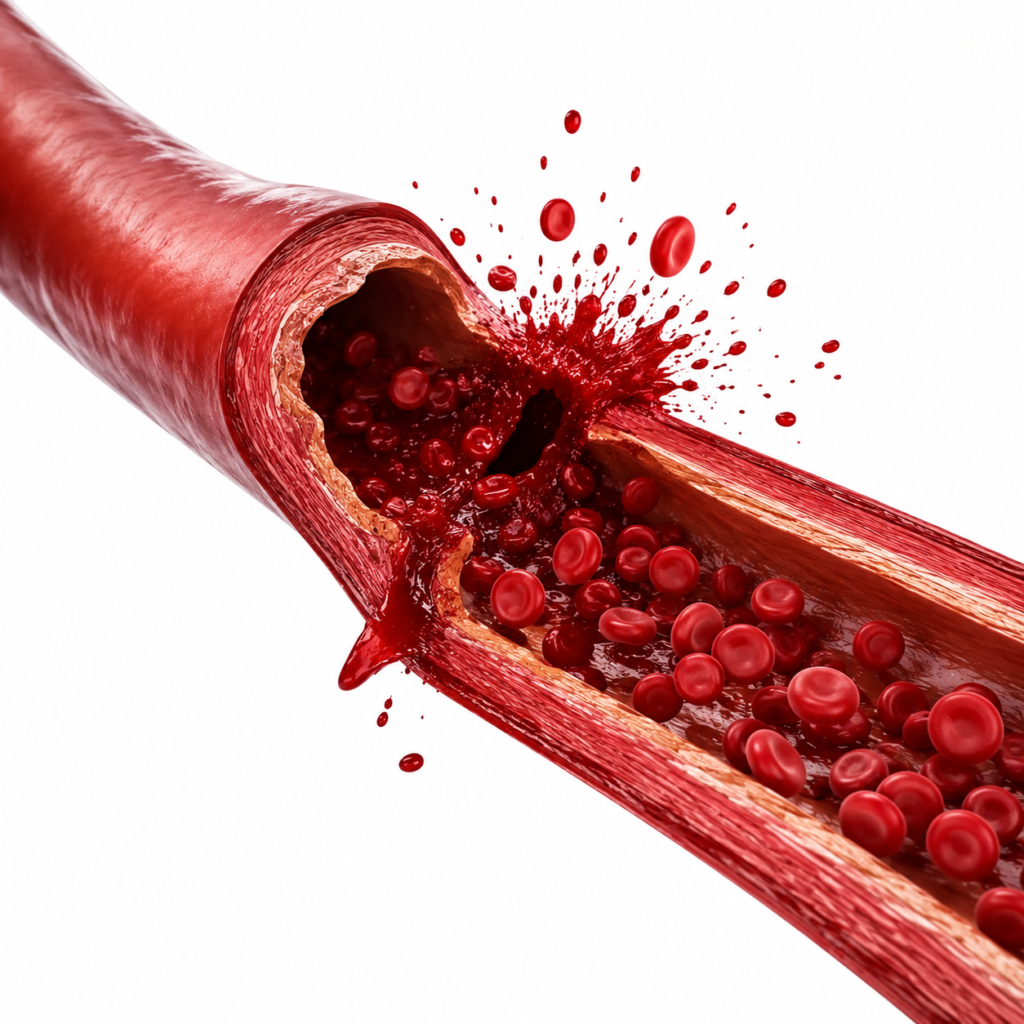
Bleeding or Blood Vessel Damage
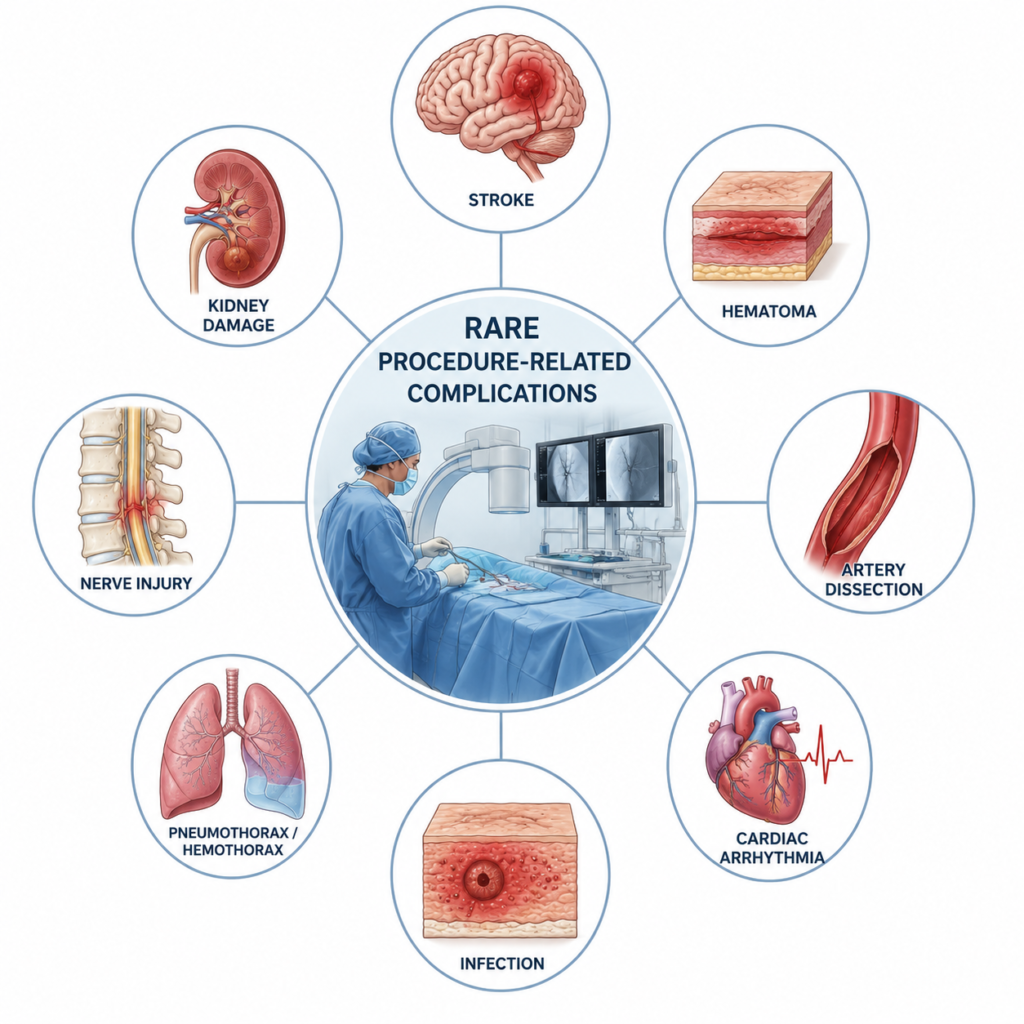
Rare Procedure-Related Complications
Risk Factors of Spinal Neuro-Intervention
Certain factors can increase the risk of complications associated with spinal neuro-intervention procedures. Patients with chronic medical conditions such as diabetes, high blood pressure, heart disease, or bleeding disorders may have a higher risk of infection, delayed healing, or procedural complications.
The use of blood-thinning medications, a history of spinal surgery, or severe spinal abnormalities can also increase the complexity of the procedure. Additionally, patients with weakened immune systems may be more susceptible to infections following treatment.
Proper pre-procedure evaluation, detailed medical history assessment, and careful planning by specialists are essential for reducing risks and ensuring the safety and effectiveness of spinal neuro-intervention treatments.
Common Warning Signs
Patients who may benefit from spinal neuro-intervention often experience persistent symptoms that do not improve with medication or conservative treatments. One of the most common warning signs is chronic back or neck pain that interferes with daily activities and quality of life.
Other symptoms include numbness, tingling sensations, or weakness in the arms or legs caused by nerve compression. Many patients also experience radiating pain, such as sciatica, where discomfort travels from the spine into the limbs.
In more severe cases, difficulty walking, balance problems, loss of coordination, or changes in bladder and bowel function may occur. These symptoms may indicate significant nerve involvement and should be evaluated by a spine specialist as early as possible.
Effective Treatment for Spinal Neuro-Intervention
Spinal neuro-intervention offers advanced, minimally invasive treatment options for a variety of spine and nerve-related conditions. Using image-guided techniques, specialists can accurately target the affected area to relieve pain, reduce inflammation, and improve nerve function without the need for major surgery.
Common procedures include nerve blocks, epidural injections, radiofrequency ablation, and other targeted interventions designed to treat chronic back pain, slipped discs, spinal stenosis, and nerve compression. These treatments help provide symptom relief while promoting faster recovery and reduced downtime.
By combining advanced technology with personalized care, spinal neuro-intervention can effectively improve mobility, enhance quality of life, and help patients return to their daily activities with less pain and discomfort.
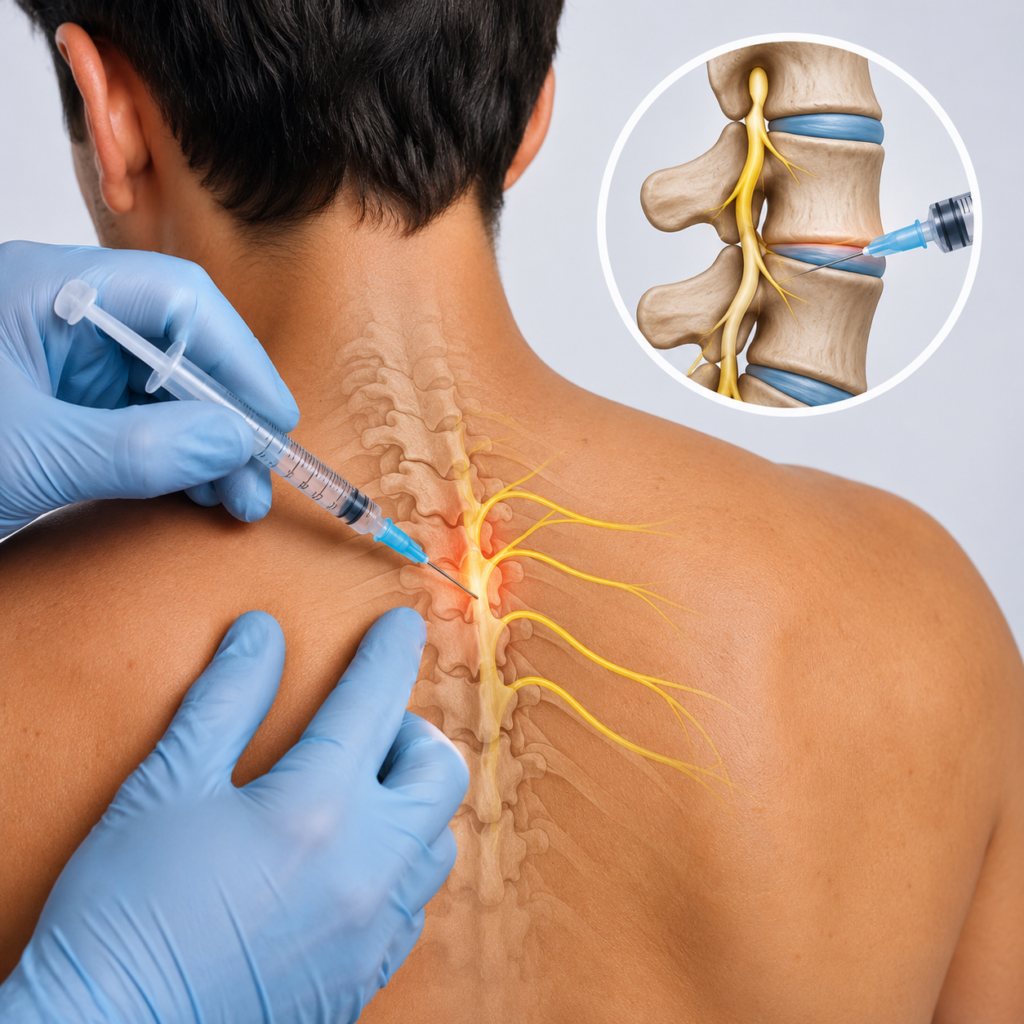
Nerve Block Injections
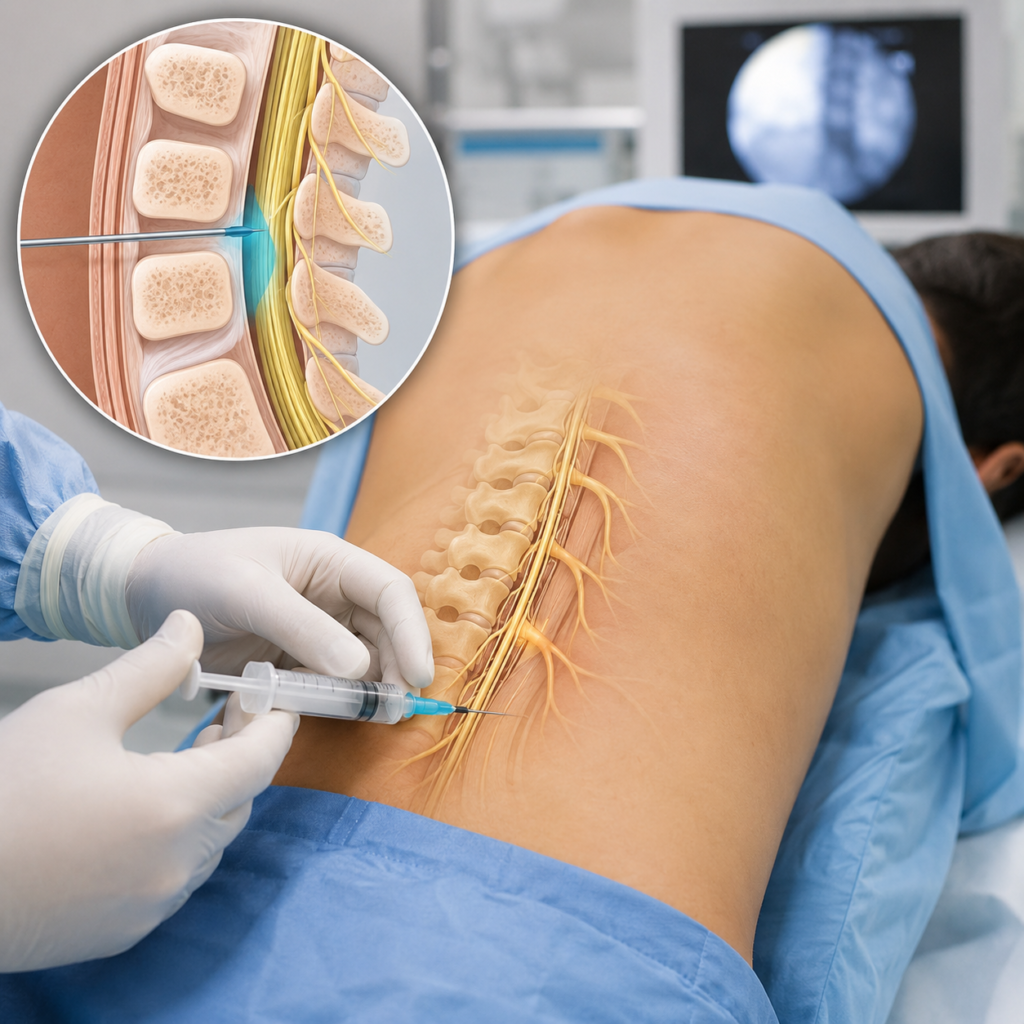
Epidural Steroid Injections
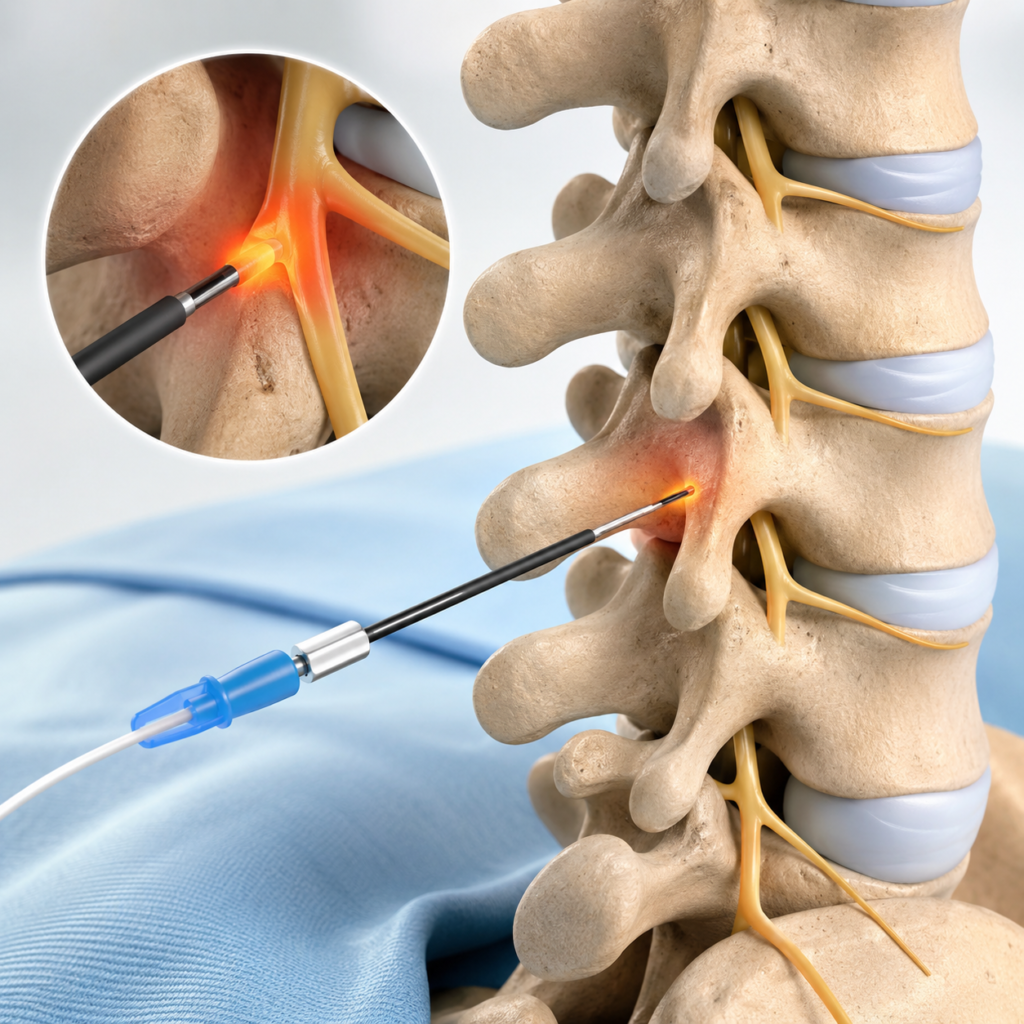
Radiofrequency Ablation
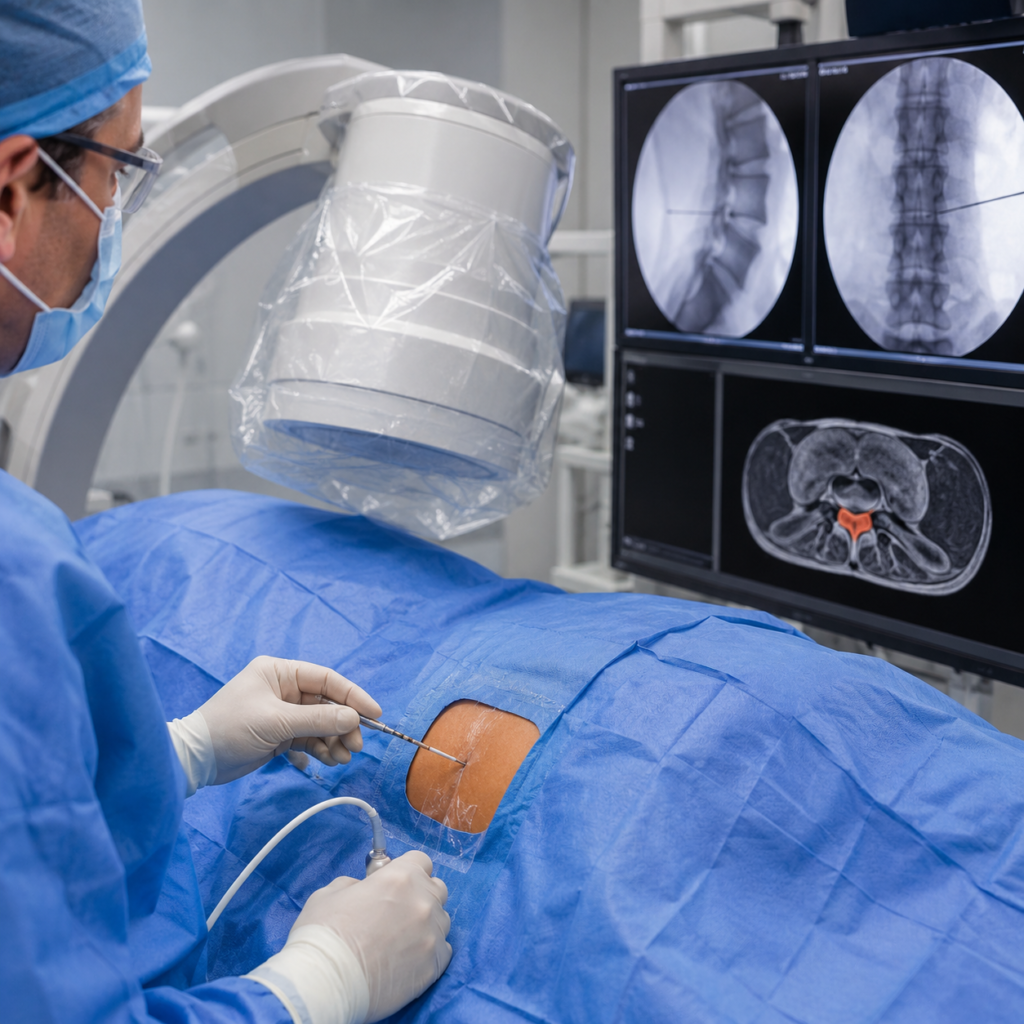
Image-Guided Minimally Invasive Procedures
Complications of Spinal Neuro-Intervention
Although spinal neuro-intervention is generally safe, certain complications can occur in rare cases. Patients may experience temporary pain, swelling, bruising, or discomfort at the injection or treatment site. These symptoms are usually mild and resolve within a few days.
There is also a small risk of infection, bleeding, or allergic reactions to medications used during the procedure. In some cases, irritation of nearby nerves may cause temporary numbness, tingling, or weakness.
Serious complications are uncommon but may include nerve injury or damage to surrounding structures. Careful patient evaluation, advanced imaging guidance, and experienced specialists help minimize these risks and ensure the safest possible treatment outcomes.
Conclusion
Spinal Neuro-Intervention is an advanced minimally invasive approach for diagnosing and treating various spine and nerve-related conditions. It provides effective pain relief, improves mobility, and helps patients avoid or delay major surgical procedures in many cases.
With early diagnosis, appropriate treatment, and a structured rehabilitation program, patients can achieve significant improvement in their symptoms and overall quality of life. Regular follow-up care and physiotherapy further support long-term recovery, helping individuals return to their daily activities with greater comfort and confidence.