
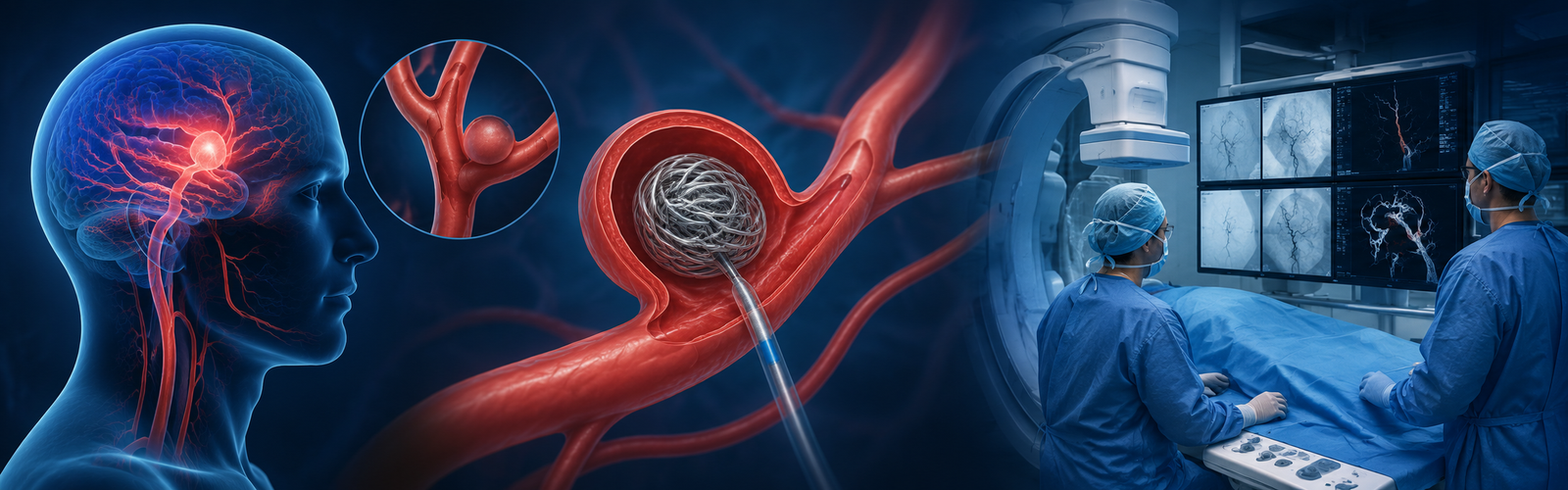
What is Aneurysm Treatment?
An aneurysm is a serious medical condition in which a blood vessel becomes weakened and bulges outward like a balloon. If left untreated, the aneurysm can grow larger and may rupture, leading to life-threatening complications such as internal bleeding, stroke, or organ damage. Aneurysm treatment focuses on preventing rupture, controlling symptoms, and improving blood flow. The treatment approach depends on the aneurysm’s size, location, growth rate, and the patient’s overall health. Common treatment options include regular monitoring for small aneurysms, medications to manage blood pressure and reduce risks, and surgical procedures such as open surgery or minimally invasive endovascular repair to strengthen or repair the affected blood vessel. Early diagnosis and timely treatment play a crucial role in improving outcomes and reducing complications.
Why Aneurysm is Dangerous ?
Aneurysm treatment is important because an untreated aneurysm can become life-threatening. As the weakened blood vessel continues to expand, the risk of rupture increases significantly. A ruptured aneurysm can cause severe internal bleeding, stroke, brain damage, organ failure, or even sudden death, depending on its location. In many cases, aneurysms do not show noticeable symptoms until they become large or rupture, making early detection and treatment essential. Proper treatment helps prevent complications, reduces the risk of rupture, improves blood flow, and protects overall health. Timely medical intervention can greatly increase the chances of a successful recovery and long-term well-being.

Medication Management

Endovascular Coiling
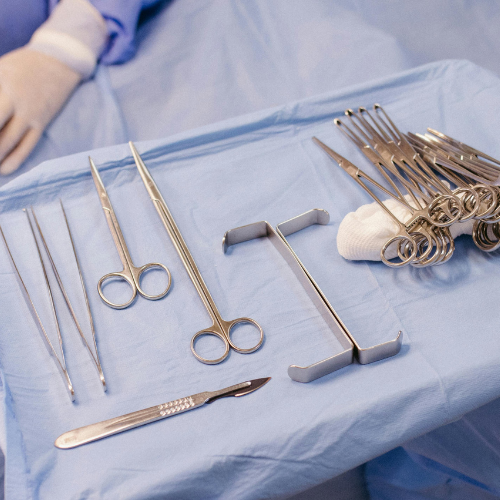
Surgical Clipping

Regular Monitoring
Risk Factors of Brain Hemorrhage
Several factors can increase the risk of developing an aneurysm. One of the most common risk factors is high blood pressure, which puts extra stress on blood vessel walls and can cause them to weaken over time. Smoking is another major contributor, as it damages blood vessels and increases the likelihood of aneurysm formation and rupture. A family history of aneurysms may also raise the risk, suggesting a possible genetic link. Additionally, advancing age, excessive alcohol consumption, obesity, high cholesterol, and certain medical conditions can further increase the chances of developing an aneurysm. Understanding these risk factors and making healthy lifestyle changes can help reduce the risk and support long-term vascular health.
Common Warning Signs
Many patients experience warning symptoms before a severe brain hemorrhage occurs. Recognizing these signs early can save lives.
Warning signs may include:
The warning signs of an aneurysm can vary depending on its size and location. In many cases, small aneurysms may not cause any symptoms and are discovered only during medical imaging. However, as an aneurysm grows, it may lead to symptoms such as severe and sudden headaches, blurred or double vision, pain above or behind the eye, dizziness, difficulty speaking, weakness or numbness on one side of the body, and loss of balance. If an aneurysm ruptures, it can cause a sudden, extremely severe headache often described as the “worst headache of one’s life,” along with nausea, vomiting, confusion, seizures, or loss of consciousness. Immediate medical attention is essential if any of these symptoms occur.
Effective Treatment for Aneurysm
Effective aneurysm treatment focuses on preventing the aneurysm from growing, rupturing, or causing serious complications. The most appropriate treatment depends on factors such as the aneurysm’s size, location, and overall risk level. Small aneurysms may only require regular monitoring through imaging tests and lifestyle modifications to reduce risk factors. Larger or high-risk aneurysms often require medical intervention, including minimally invasive endovascular procedures or surgical repair. Medications may also be prescribed to control blood pressure and support vascular health. With early diagnosis, expert medical care, and timely treatment, many patients can successfully manage an aneurysm and significantly reduce the risk of life-threatening complications.

Medication Management
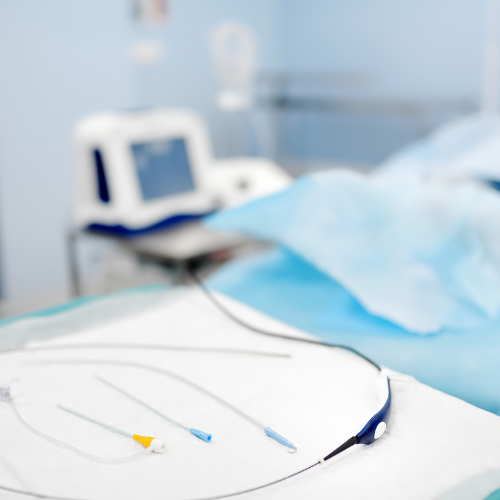
Endovascular Coiling
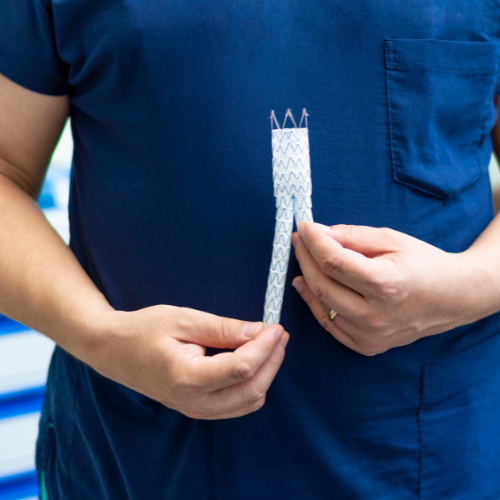
Surgical

Regular Monitoring & Follow-Up
Complications of Brain Hemorrhage
Aneurysm treatment is generally safe and highly effective, but like any medical procedure, it may carry certain risks and complications. Depending on the type of treatment performed, patients may experience bleeding, infection, blood clot formation, or reactions to anesthesia. These complications are relatively uncommon but require careful monitoring and prompt medical attention if they occur.
Endovascular procedures and surgical repairs can sometimes affect normal blood flow to nearby tissues or organs. In rare cases, patients may develop stroke-like symptoms, nerve damage, or complications related to the placement of coils, stents, or surgical clips. The likelihood of these risks depends on the aneurysm’s size, location, and the patient’s overall health condition.
Recovery-related complications may also occur, including headaches, fatigue, pain at the treatment site, or temporary neurological symptoms. Regular follow-up appointments and imaging studies are important to ensure that the aneurysm remains successfully treated and to detect any recurrence or new vascular issues at an early stage. With proper medical care and monitoring, most patients recover well and achieve positive long-term outcomes.
Conclusion
Aneurysm treatment is essential for preventing serious and potentially life-threatening complications such as rupture, internal bleeding, and stroke. Advances in medical technology have made it possible to diagnose and treat aneurysms more effectively through medications, minimally invasive procedures, and surgical interventions. Early detection and timely treatment significantly improve patient outcomes and reduce long-term health risks.
Recovery from aneurysm treatment often requires a combination of medical care, lifestyle modifications, and rehabilitation support. Regular follow-up appointments, monitoring, and adherence to medical advice play a crucial role in ensuring successful recovery and preventing future complications. Patients are encouraged to maintain healthy habits, manage blood pressure, and avoid risk factors such as smoking.
With proper treatment, ongoing care, and a proactive approach to health, many individuals can lead active and fulfilling lives after an aneurysm diagnosis. Consulting experienced healthcare professionals and seeking prompt medical attention for any warning signs remain the key steps in achieving the best possible outcomes.