
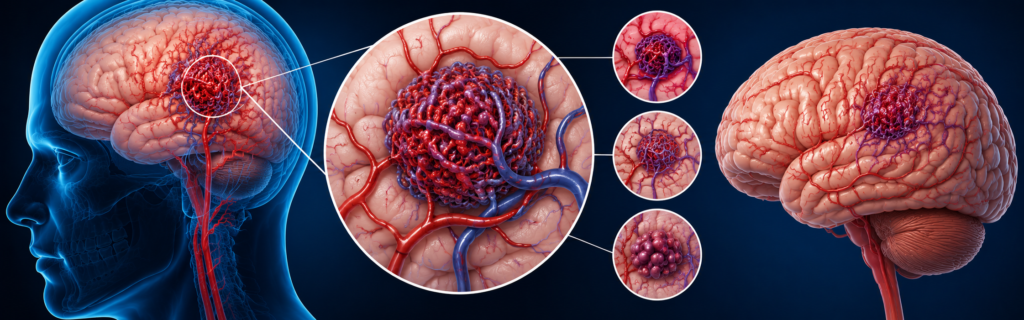
What are Vascular Malformations?
Vascular malformations are abnormal formations of blood vessels that develop before birth and can affect arteries, veins, capillaries, or lymphatic vessels. These abnormalities occur due to errors in the development of the vascular system and may be present anywhere in the body, including the brain, spinal cord, skin, and internal organs. Unlike tumors, vascular malformations do not involve abnormal cell growth but consist of improperly formed blood vessels.
The severity of vascular malformations can vary widely. Some remain small and cause few symptoms, while others can lead to pain, swelling, bleeding, neurological problems, or impaired blood flow. Early diagnosis through imaging studies and appropriate medical management can help prevent complications and improve long-term outcomes.
Why Are Vascular Malformations Dangerous?
Vascular malformations can be dangerous because they involve abnormal blood vessels that may disrupt normal blood flow and put surrounding tissues or organs at risk. Depending on their size and location, these malformations can cause pain, swelling, bleeding, and pressure on nearby structures, leading to functional problems.
When vascular malformations occur in the brain or spinal cord, they can lead to serious neurological complications such as seizures, headaches, weakness, or even stroke-like symptoms. In some cases, the abnormal blood vessels may rupture, causing internal bleeding that requires immediate medical attention.
If left untreated, certain vascular malformations can grow over time and increase the risk of complications. Early diagnosis and appropriate treatment are important to manage symptoms, reduce risks, and improve overall quality of life.
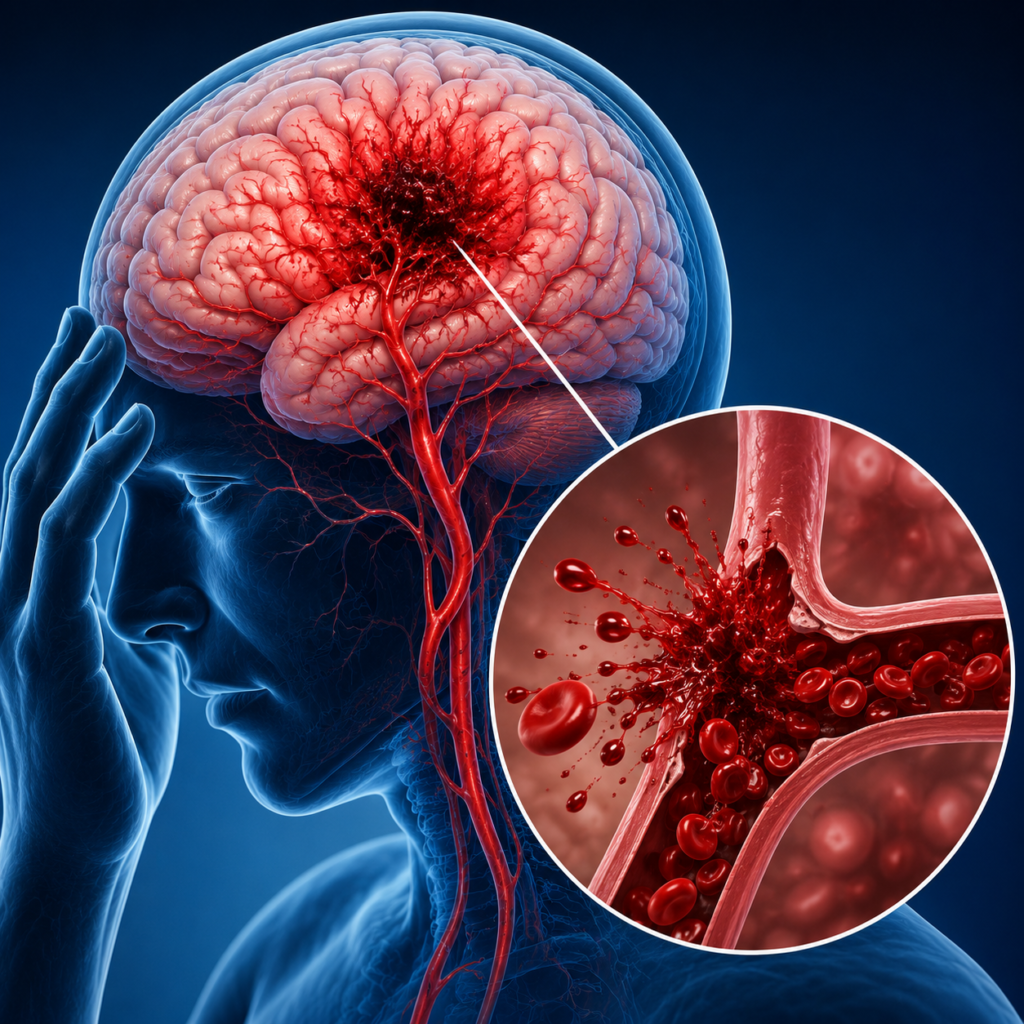
Risk of Bleeding
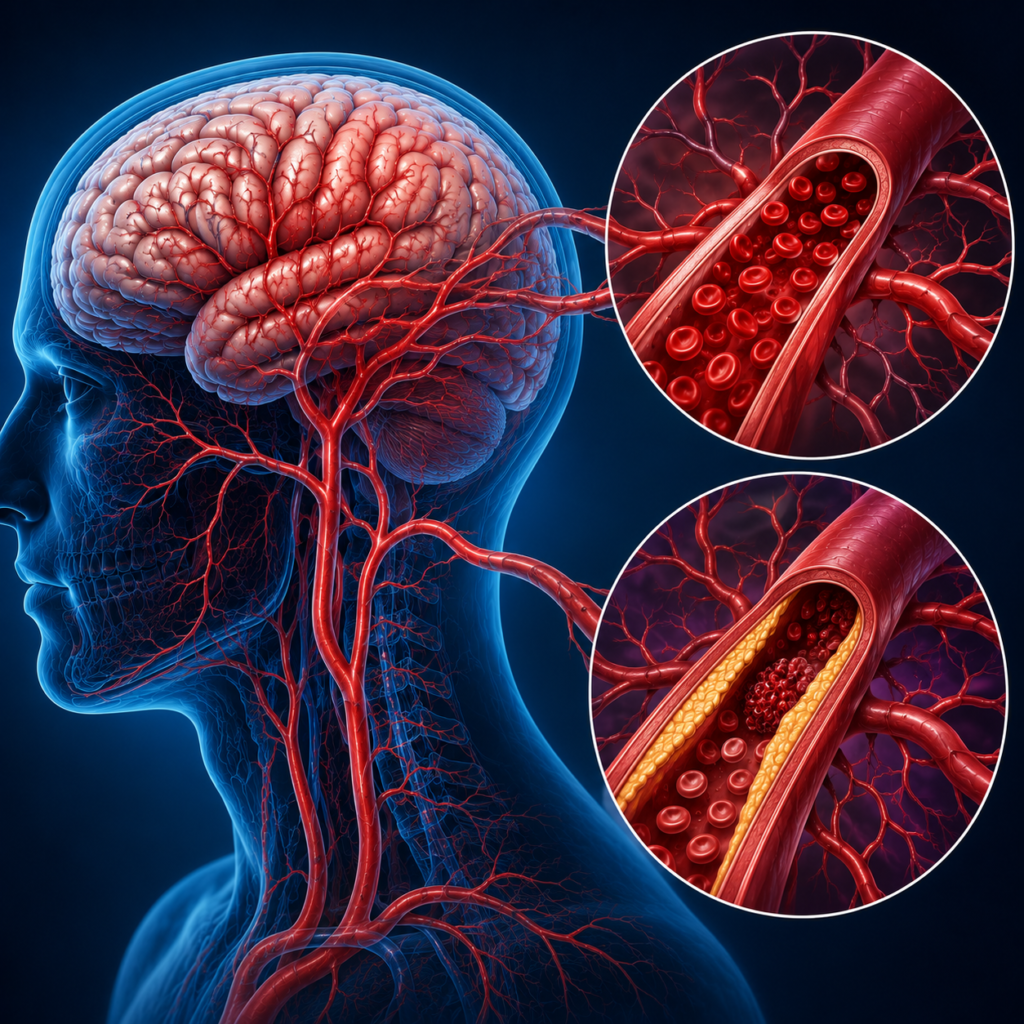
Affect Normal Blood Flow
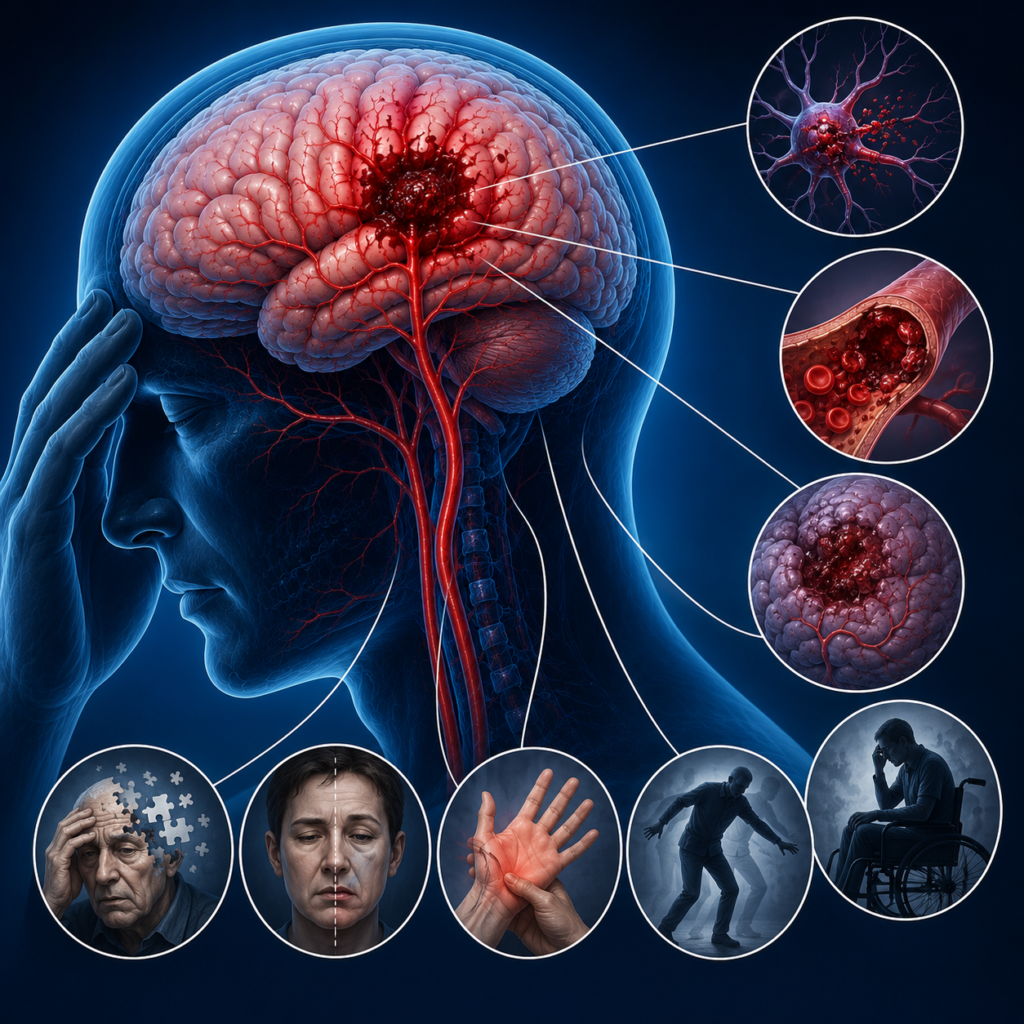
Cause Neurological Problems
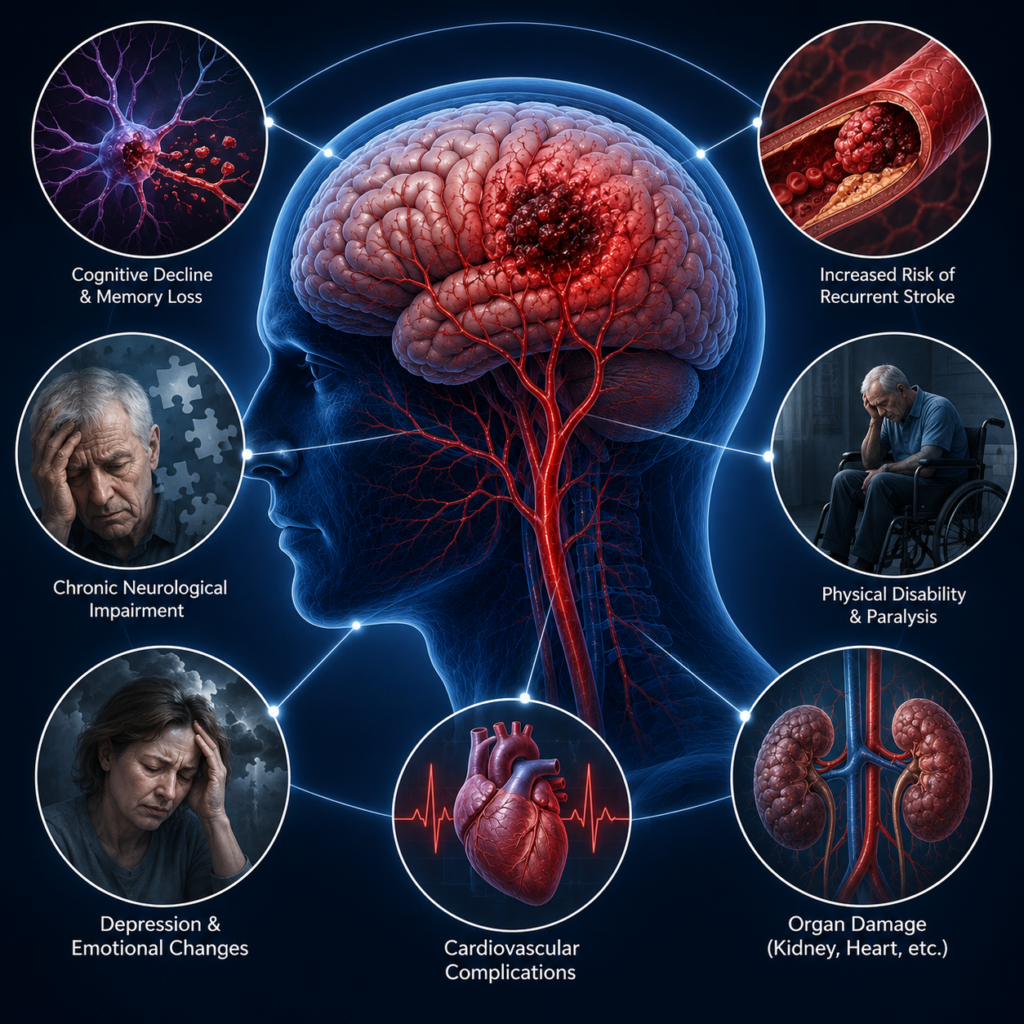
Increase Long-Term Complications
Risk Factors of Vascular Malformations
Vascular malformations are primarily congenital conditions, meaning they develop before birth due to abnormal blood vessel formation. Although the exact cause is often unknown, genetic factors and developmental abnormalities during fetal growth may increase the risk of these vascular defects.
Certain inherited genetic syndromes have also been linked to a higher likelihood of developing vascular malformations. In some cases, a family history of vascular abnormalities may play a role, although many patients have no known family history of the condition.
While vascular malformations are usually present at birth, symptoms may not appear until later in life. Factors such as trauma, hormonal changes, infection, or growth of the malformation can make the condition more noticeable and increase the risk of complications.
Common Warning Signs
The symptoms of vascular malformations can vary depending on their size, type, and location in the body. Common warning signs include persistent pain, swelling, skin discoloration, or the appearance of visible abnormal blood vessels. Some individuals may also notice a lump or mass that gradually increases in size over time.
When vascular malformations affect the brain or spinal cord, symptoms can be more serious. These may include frequent headaches, seizures, dizziness, weakness or numbness in the limbs, vision problems, and difficulty with balance or coordination. In some cases, sudden bleeding can cause severe neurological symptoms that require immediate medical attention.
Early recognition of these warning signs is important for timely diagnosis and treatment. Seeking medical evaluation can help prevent complications and improve long-term outcomes.
Effective Treatment for Vascular Malformations
The treatment of vascular malformations depends on their type, size, location, and the symptoms they cause. Many patients benefit from a personalized treatment plan designed to control symptoms, prevent complications, and improve overall function. Early diagnosis is important for determining the most effective treatment approach.
Minimally invasive procedures such as embolization are commonly used to block abnormal blood vessels and reduce blood flow to the malformation. In certain cases, surgery may be recommended to remove or repair the affected vessels, especially when there is a risk of bleeding or significant functional impairment.
Supportive care and regular monitoring are also essential parts of treatment. Follow-up imaging studies help assess the condition and guide future management. With timely intervention and appropriate care, many patients can successfully manage vascular malformations and maintain a good quality of life.
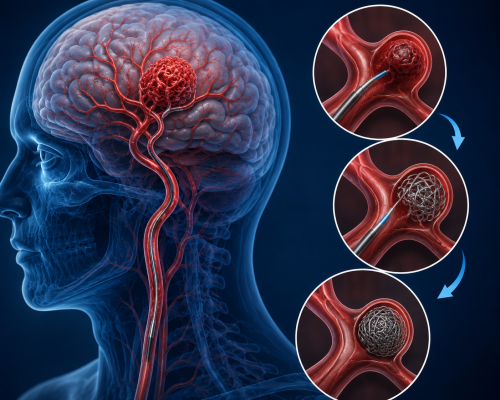
Minimally Invasive Embolization

Surgical Removal or Repair
Advanced Imaging and Monitoring

Personalized Long-Term Care
Complications of Vascular Malformations
Vascular malformations can lead to various complications depending on their location, size, and severity. One of the most serious risks is bleeding, which can occur when abnormal blood vessels rupture. Repeated bleeding may damage surrounding tissues and, in severe cases, become life-threatening.
These malformations can also cause chronic pain, swelling, and functional limitations by placing pressure on nearby nerves, muscles, or organs. When located in the brain or spinal cord, they may result in headaches, seizures, weakness, numbness, or other neurological problems that affect daily activities.
If left untreated, vascular malformations may gradually enlarge and become more difficult to manage. Early diagnosis, regular monitoring, and appropriate treatment are important for reducing complications and maintaining long-term health and quality of life.
Conclusion
Vascular malformations are abnormal blood vessel formations that can affect different parts of the body and may lead to complications such as pain, swelling, bleeding, and neurological problems. While some cases remain mild, others can significantly impact health and require specialized medical attention.
Early diagnosis and timely treatment are essential for preventing complications and improving outcomes. With advanced treatment options, regular monitoring, and appropriate rehabilitation, many patients can effectively manage their condition and maintain a good quality of life. Ongoing medical care and a personalized treatment approach play a key role in supporting long-term health and recovery.