
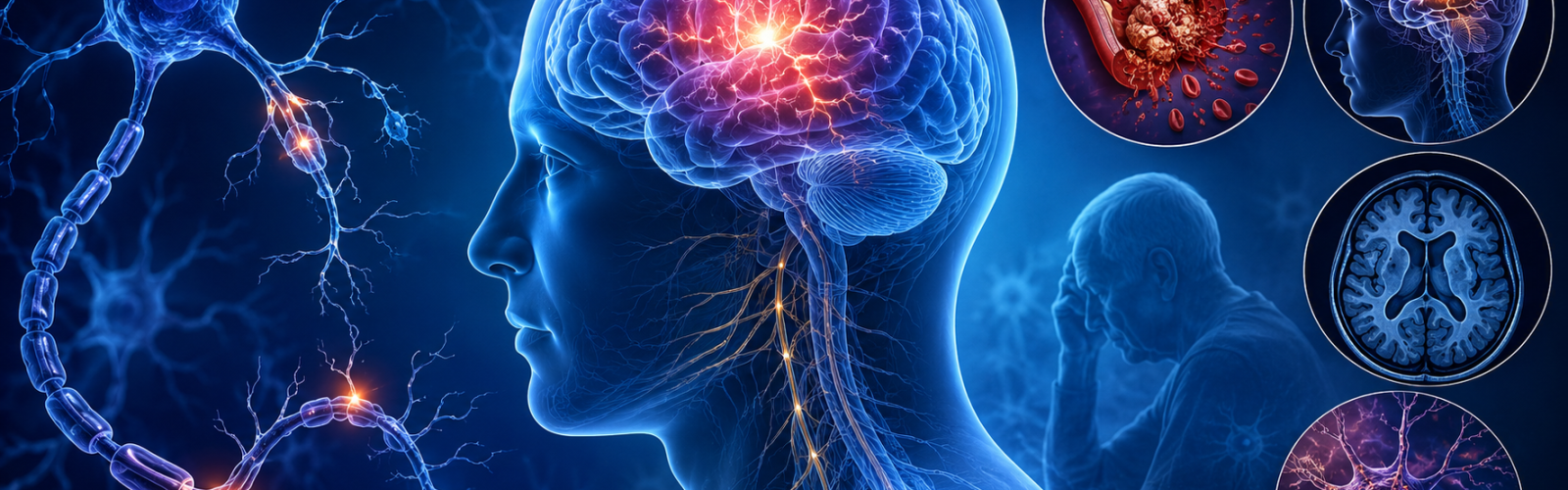
What are Neurological Diseases?
Neurological diseases are disorders that affect the brain, spinal cord, and nerves throughout the body. These conditions can interfere with the way the nervous system sends and receives signals, leading to problems with movement, sensation, memory, coordination, speech, and other essential functions. Neurological disorders can develop due to genetic factors, infections, injuries, aging, or abnormalities in the nervous system.
Common neurological diseases include stroke, epilepsy, Parkinson’s disease, Alzheimer’s disease, multiple sclerosis, and peripheral neuropathy. The symptoms and severity of these conditions vary widely, but early diagnosis and appropriate treatment can help manage symptoms, improve quality of life, and prevent complications.
Why Neurological Diseases Are Dangerous?
Neurological diseases are dangerous because they affect the nervous system, which controls nearly every function of the body, including movement, sensation, memory, speech, and coordination. When the brain, spinal cord, or nerves are damaged, these essential functions can become impaired, significantly affecting a person’s daily life and independence.
Many neurological disorders are progressive, meaning their symptoms may worsen over time if not properly managed. Patients may experience difficulties with mobility, communication, cognitive function, and performing routine tasks. In some cases, neurological conditions can lead to permanent disability and require long-term medical care and rehabilitation.
Certain neurological diseases can also cause serious complications such as seizures, paralysis, loss of memory, swallowing difficulties, and respiratory problems. Early diagnosis, timely treatment, and ongoing neurological care are important for controlling symptoms, slowing disease progression, and improving overall quality of life.

Affect Brain and Nerve Function

Cause Physical Disabilities

Impact Memory and Thinking

Lead to Serious Complications
Risk Factors of Neurological Diseases
Several factors can increase the risk of developing neurological diseases. Age is one of the most significant risk factors, as many neurological conditions become more common with advancing years. Genetic predisposition and a family history of neurological disorders can also increase the likelihood of developing certain conditions.
Lifestyle and environmental factors play an important role as well. Smoking, excessive alcohol consumption, poor nutrition, physical inactivity, and prolonged exposure to toxins can negatively affect the nervous system. Additionally, head injuries, infections affecting the brain or nerves, and chronic medical conditions such as diabetes and high blood pressure may contribute to neurological problems.
Early identification of risk factors and maintaining a healthy lifestyle can help reduce the chances of developing neurological diseases and support long-term brain and nerve health.
Common Warning Signs
Neurological diseases can present with a wide range of symptoms depending on the part of the nervous system affected. Common warning signs include persistent headaches, dizziness, numbness, tingling sensations, or unexplained weakness in the arms or legs. These symptoms should not be ignored, especially if they occur frequently or worsen over time.
Many individuals may also experience difficulties with memory, concentration, speech, or coordination. Problems with balance, walking, vision changes, and tremors can be early indicators of an underlying neurological condition. Some disorders may also cause seizures or episodes of confusion.
Seeking medical attention when these symptoms first appear is important for early diagnosis and treatment. Prompt evaluation can help identify the cause, prevent complications, and improve long-term outcomes.
Effective Treatment
The treatment of neurological diseases depends on the specific condition, its severity, and the patient’s overall health. Medications are commonly used to manage symptoms, control disease progression, reduce inflammation, prevent seizures, or improve nerve function. Early diagnosis allows healthcare providers to develop a treatment plan tailored to the individual’s needs.
In some cases, advanced procedures or surgery may be recommended to treat neurological disorders affecting the brain, spinal cord, or nerves. These interventions can help relieve symptoms, restore function, and improve quality of life for patients with certain neurological conditions.
Rehabilitation therapies such as physiotherapy, occupational therapy, and speech therapy also play a vital role in recovery and long-term management. Combined with lifestyle modifications, regular medical follow-ups, and supportive care, these treatments help patients maintain independence and achieve better health outcomes.

Medication Management
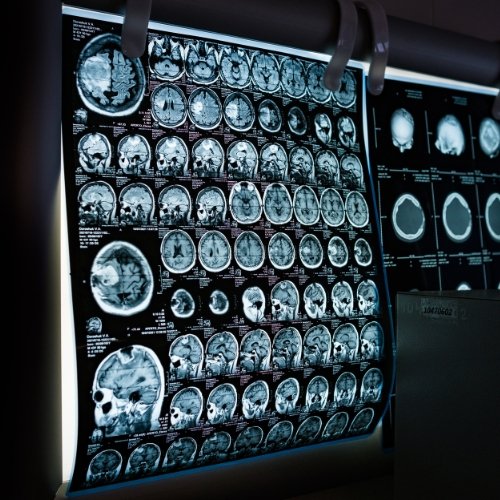
Advanced Neurological Procedure

Surgical Intervention

Rehabilitation Therapy
Complications of Brain Stroke
Neurological diseases can lead to a range of complications that affect both physical and mental well-being. Many patients experience difficulties with movement, balance, coordination, and muscle strength, which can increase the risk of falls and injuries. In some cases, these conditions may result in partial or complete loss of mobility.
Cognitive and emotional complications are also common. Neurological disorders can affect memory, concentration, speech, and decision-making abilities. Patients may develop anxiety, depression, mood changes, or behavioral difficulties that impact their quality of life and social interactions.
Severe neurological conditions can cause long-term disability, swallowing difficulties, vision problems, seizures, and loss of independence. Early diagnosis, appropriate treatment, and rehabilitation are essential for managing these complications and improving overall health outcomes.
Conclusion
Neurological diseases can affect the brain, spinal cord, and nerves, leading to a wide range of physical, cognitive, and emotional challenges. Early recognition of symptoms and timely medical intervention are essential for preventing complications and improving treatment outcomes.
With advancements in neurological care, medications, surgical procedures, and rehabilitation therapies, many patients can effectively manage their condition and maintain a better quality of life. Regular medical follow-ups, a healthy lifestyle, and comprehensive rehabilitation play a key role in supporting long-term recovery and overall neurological health.