
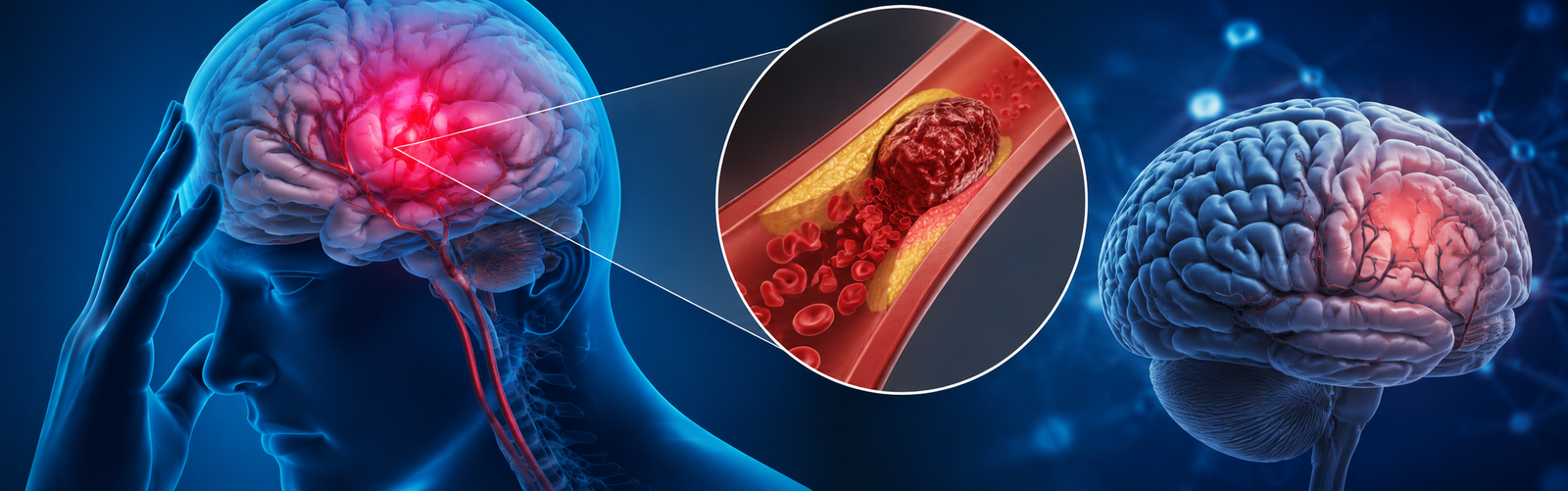
What is Brain Stroke?
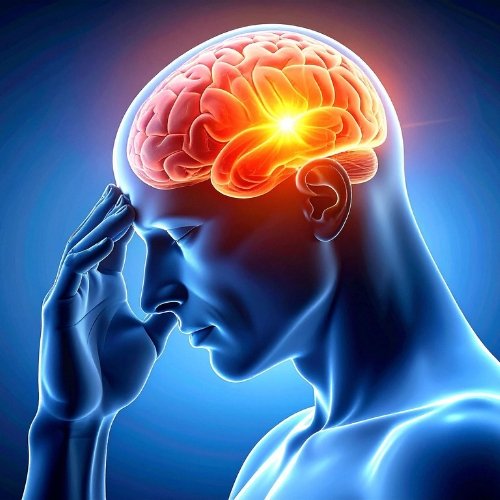
A brain stroke is a serious medical condition that occurs when the blood supply to a part of the brain is interrupted or reduced. Without enough oxygen and nutrients, brain cells begin to die within minutes, making immediate medical attention essential. Stroke can affect speech, movement, memory, vision, and other important body functions depending on the area of the brain involved.
There are two main types of stroke: ischemic stroke, caused by a blockage in a blood vessel supplying the brain, and hemorrhagic stroke, caused by bleeding in or around the brain. Early recognition of symptoms and prompt treatment can significantly improve recovery and reduce the risk of long-term complications.
Why Brain Stroke is Dangerous ?
A brain stroke is dangerous because it can quickly damage or destroy brain cells due to a lack of oxygen and blood supply. Since the brain controls essential functions such as movement, speech, memory, vision, and breathing, any damage can lead to serious and sometimes permanent disabilities. The longer a stroke goes untreated, the greater the risk of severe complications.
In severe cases, a stroke can cause paralysis, difficulty speaking, loss of coordination, cognitive impairment, or even become life-threatening. Immediate medical treatment is crucial to minimize brain damage, improve recovery outcomes, and reduce the risk of long-term health problems.
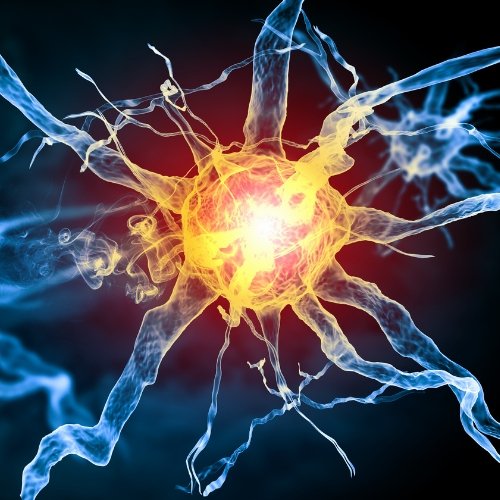
Brain Cell Damage

Paralysis and Weakness
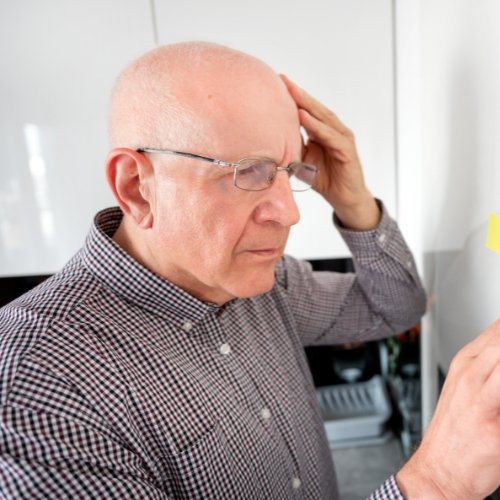
Speech and Memory Problems

Life-Threatening Complications
Risk Factors of Brain Stroke
Several factors can increase the risk of developing a brain stroke. High blood pressure is one of the most common causes, as it can weaken and damage blood vessels over time. Diabetes also raises the risk by affecting blood circulation and increasing the likelihood of artery damage.
Lifestyle habits such as smoking, tobacco use, excessive alcohol consumption, and a lack of physical activity can significantly contribute to stroke risk. These habits can lead to poor cardiovascular health and increase the chances of blood clot formation.
Other important risk factors include high cholesterol levels, obesity, heart diseases, and a family history of stroke. Managing these conditions through regular medical check-ups, a healthy diet, exercise, and proper treatment can help reduce the likelihood of a stroke.
Common Warning Signs
The warning signs of a brain stroke often appear suddenly and should never be ignored. One of the most common symptoms is sudden weakness or numbness in the face, arm, or leg, especially on one side of the body. A person may also experience difficulty speaking, slurred speech, or trouble understanding what others are saying.
Other warning signs include sudden vision problems in one or both eyes, severe dizziness, loss of balance or coordination, and difficulty walking. Some individuals may also develop a sudden, severe headache with no obvious cause. Recognizing these symptoms early and seeking immediate medical attention can help prevent serious brain damage and improve recovery outcomes.
Effective Treatment for Brain Stroke
Effective treatment for a brain stroke depends on its type and severity. In the case of an ischemic stroke, caused by a blocked blood vessel, doctors may use clot-dissolving medications or minimally invasive procedures to restore blood flow to the brain. Quick treatment is crucial, as early intervention can significantly reduce brain damage and improve recovery.
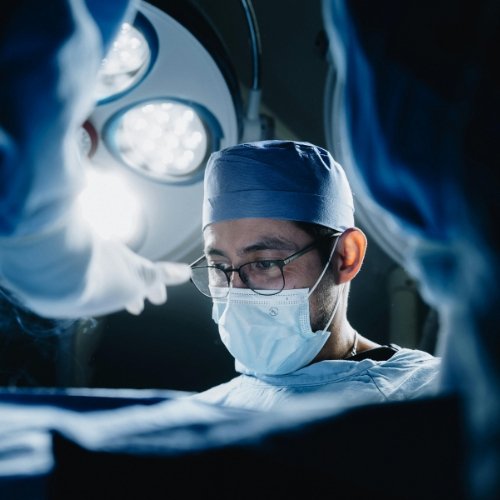
For hemorrhagic strokes, which occur due to bleeding in the brain, treatment focuses on controlling the bleeding, reducing pressure within the skull, and preventing further complications. In some cases, surgery may be required to repair damaged blood vessels or remove accumulated blood.
After emergency treatment, rehabilitation plays a vital role in recovery. Physical therapy, speech therapy, and occupational therapy help patients regain lost abilities, improve mobility, and enhance their quality of life. Regular follow-up care and lifestyle modifications are also important to reduce the risk of future strokes.
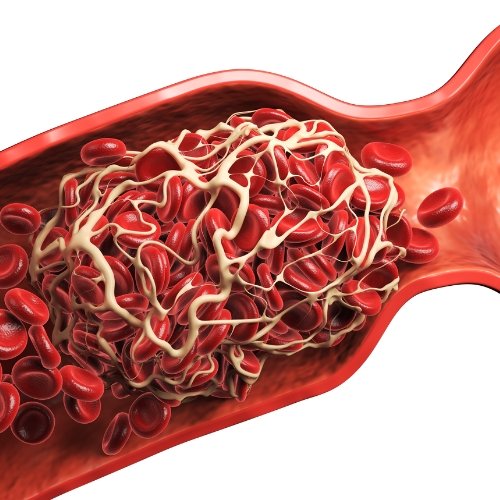
Emergency Clot-Busting Treatment
Minimally Invasive Stroke Procedures
Surgical Management

Rehabilitation Therapy
Complications of Brain Stroke
Brain stroke can lead to a variety of complications depending on the severity and location of the brain injury. Many patients experience long-term physical challenges, including weakness, paralysis, or difficulty with coordination and balance. These issues can affect daily activities and reduce independence.
Stroke may also impact cognitive and communication abilities. Some individuals develop memory problems, difficulty concentrating, speech disorders, or trouble understanding language. Emotional changes such as anxiety, depression, and mood swings are also common during the recovery process.
In severe cases, stroke can cause swallowing difficulties, vision problems, chronic pain, and an increased risk of recurrent strokes. Early treatment, rehabilitation, and ongoing medical care are essential for minimizing complications and improving overall quality of life.
Conclusion
A brain stroke is a serious medical emergency that requires immediate diagnosis and treatment to prevent permanent brain damage and life-threatening complications. Early recognition of warning signs, timely medical intervention, and proper rehabilitation can significantly improve recovery outcomes and reduce the risk of long-term disabilities.
With advances in stroke treatment and comprehensive rehabilitation programs, many patients can regain independence and return to their daily activities. Maintaining a healthy lifestyle, managing underlying health conditions, and following medical advice are essential steps in preventing future strokes and supporting long-term brain health.