
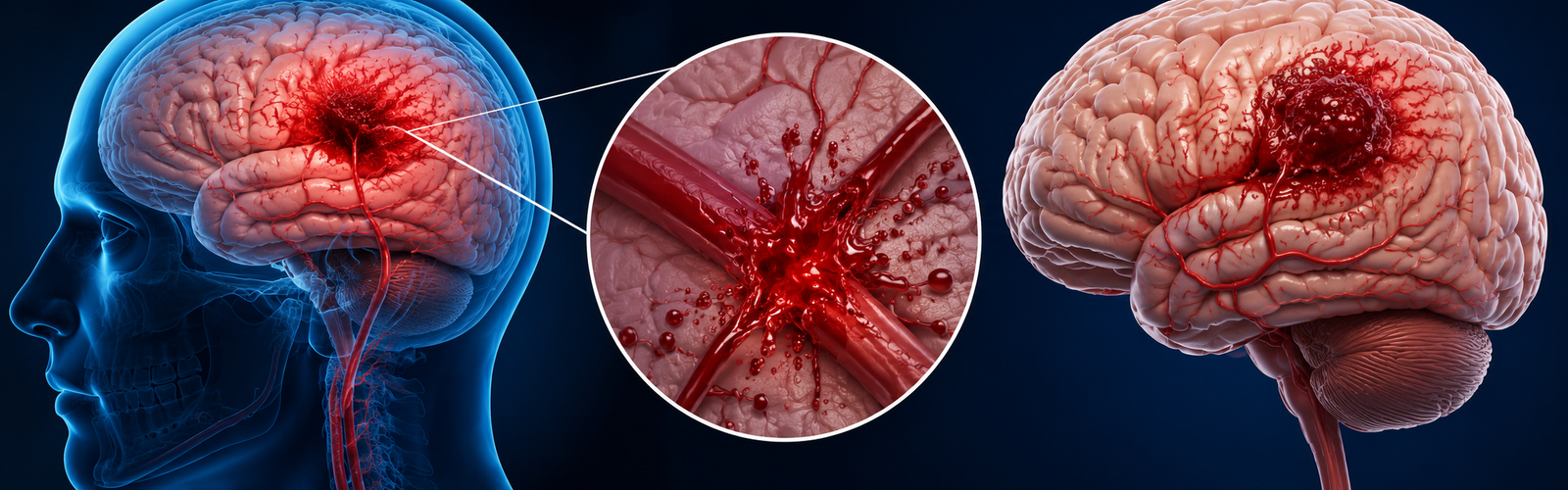
What is a Brain Hemorrhage?
A brain hemorrhage, also known as brain bleeding, occurs when a blood vessel inside the brain bursts and causes bleeding in or around the brain tissue. This condition is considered a medical emergency because the leaked blood puts pressure on brain cells and damages surrounding tissues. Brain Hemorrhage can happen suddenly and may lead to stroke, paralysis, memory problems, or loss of consciousness if not treated quickly.
The brain needs a constant supply of oxygen-rich blood to function properly. When bleeding occurs, oxygen flow to certain areas of the brain gets interrupted. As a result, brain cells begin to die within minutes. Early diagnosis and immediate treatment are very important to reduce complications and improve recovery chances.
Why Brain Hemorrhage is Dangerous
Brain hemorrhage is dangerous because the skull is a closed space. Any bleeding inside the skull increases pressure on the brain. This pressure can damage sensitive brain tissues, reduce oxygen supply, and affect important body functions such as breathing, movement, speech, and memory.
In severe cases, the condition may lead to:

Permanent brain damage

Paralysis

Coma

Vision loss
Risk Factors of Brain Hemorrhage
Certain medical conditions and unhealthy lifestyle habits can increase the chances of developing a Brain Hemorrhage. One of the most common and serious risk factors is long-term high blood pressure. Constant pressure on the blood vessel walls can weaken them over time, making them more likely to rupture and cause bleeding inside the brain. People who do not regularly monitor or control their blood pressure are at a significantly higher risk.
Lifestyle habits such as smoking, excessive alcohol consumption, lack of physical activity, and unhealthy eating patterns also contribute to brain hemorrhage risk. Smoking damages blood vessels and reduces oxygen supply, while heavy alcohol intake can increase blood pressure and affect blood clotting mechanisms. Obesity, diabetes, and high cholesterol further increase the burden on the cardiovascular system and may lead to damage of delicate brain arteries.
Age is another important factor, as blood vessels naturally become weaker with growing age. Individuals with a family history of stroke, aneurysm, or blood vessel disorders may also have a greater genetic risk. In some cases, blood clotting disorders or the long-term use of blood-thinning medications can make bleeding more likely. Managing these risk factors through regular medical checkups, healthy lifestyle choices, and proper treatment can greatly reduce the chances of brain hemorrhage.
Common Warning Signs
Many patients experience warning symptoms before a severe brain hemorrhage occurs. Recognizing these signs early can save lives.
Warning signs may include:
- Warning signs may include:
- Dizziness
- Sudden confusion
- Difficulty speaking clearly
- Weakness in arms or legs
- Sudden behavioral changes
Brain Hemorrhage After Head Injury
A severe head injury from accidents, falls, or sports injuries can damage blood vessels inside the skull and cause internal bleeding. In some cases, symptoms may appear immediately, while in others they may develop slowly over hours or days.
Signs after head injury may include:

Persistent headache

Vomiting

Sleepiness

Seizures
Complications of Brain Hemorrhage
A Brain Hemorrhage can lead to several complications, even after successful treatment. The effects vary depending on the location and severity of the bleeding, as different parts of the brain control different body functions. In many cases, damage to brain tissues may affect movement, speech, memory, emotions, and overall daily functioning. Some complications may improve over time with rehabilitation, while others can become long-term health challenges.
Patients may experience memory loss, difficulty concentrating, confusion, or problems understanding and speaking language. Muscle weakness, paralysis, poor balance, and difficulty walking are also common, especially if the bleeding affects areas responsible for body movement and coordination. In some cases, patients may develop seizures due to abnormal electrical activity in the damaged brain tissue.
Brain hemorrhage can also impact emotional and mental health. Many patients experience depression, anxiety, mood swings, irritability, or emotional instability during recovery. The recovery process can be physically and emotionally challenging, often requiring support from family members, therapists, and healthcare professionals. While some individuals recover fully and return to normal life, others may need long-term physiotherapy, speech therapy, medications, and rehabilitation programs to improve their quality of life and regain independence.
Conclusion
Brain Hemorrhage is a serious medical emergency that requires immediate diagnosis and treatment. Early recognition of symptoms, proper medical care, and rehabilitation significantly improve survival and recovery chances. Managing blood pressure, avoiding smoking and alcohol, maintaining a healthy diet, and regular health checkups are essential steps in preventing brain bleeding and protecting overall brain health.