When it comes to industrial and commercial flow control systems, two of the most widely used valve types are butterfly valves and ball valves. Both are quarter-turn valves designed for quick operation, but they differ significantly in performance, cost, design, and application.
Choosing between a butterfly valve and a ball valve depends on several factors such as flow requirements, pressure, installation space, budget, and application type.
In this complete guide, we compare butterfly valve vs ball valve in detail to help you decide which is better for your specific needs along with practical insights from rc.
1. What Is a Butterfly Valve?
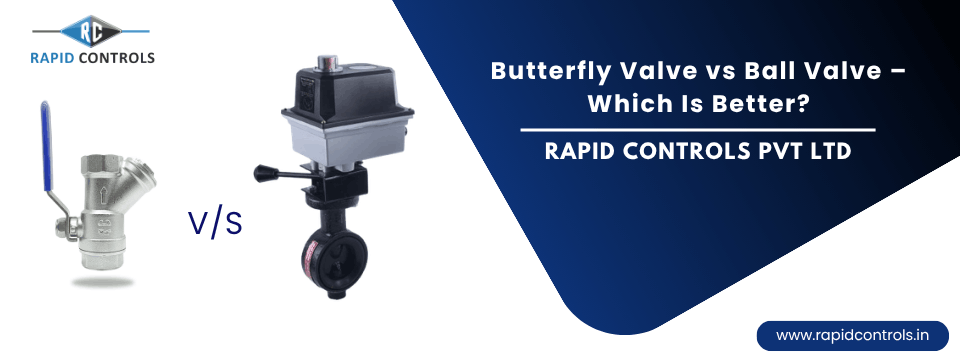
A butterfly valve is a quarter-turn valve that uses a rotating disc mounted on a shaft to regulate or stop fluid flow. When the disc is parallel to the flow, the valve is open; when rotated 90°, it blocks the flow.
Key Features
- Lightweight design
- Compact structure
- Cost-effective for large sizes
- Suitable for flow control and isolation
Butterfly valves are commonly used in water treatment plants, hvac systems, and large-diameter pipelines.
2. What Is a Ball Valve?
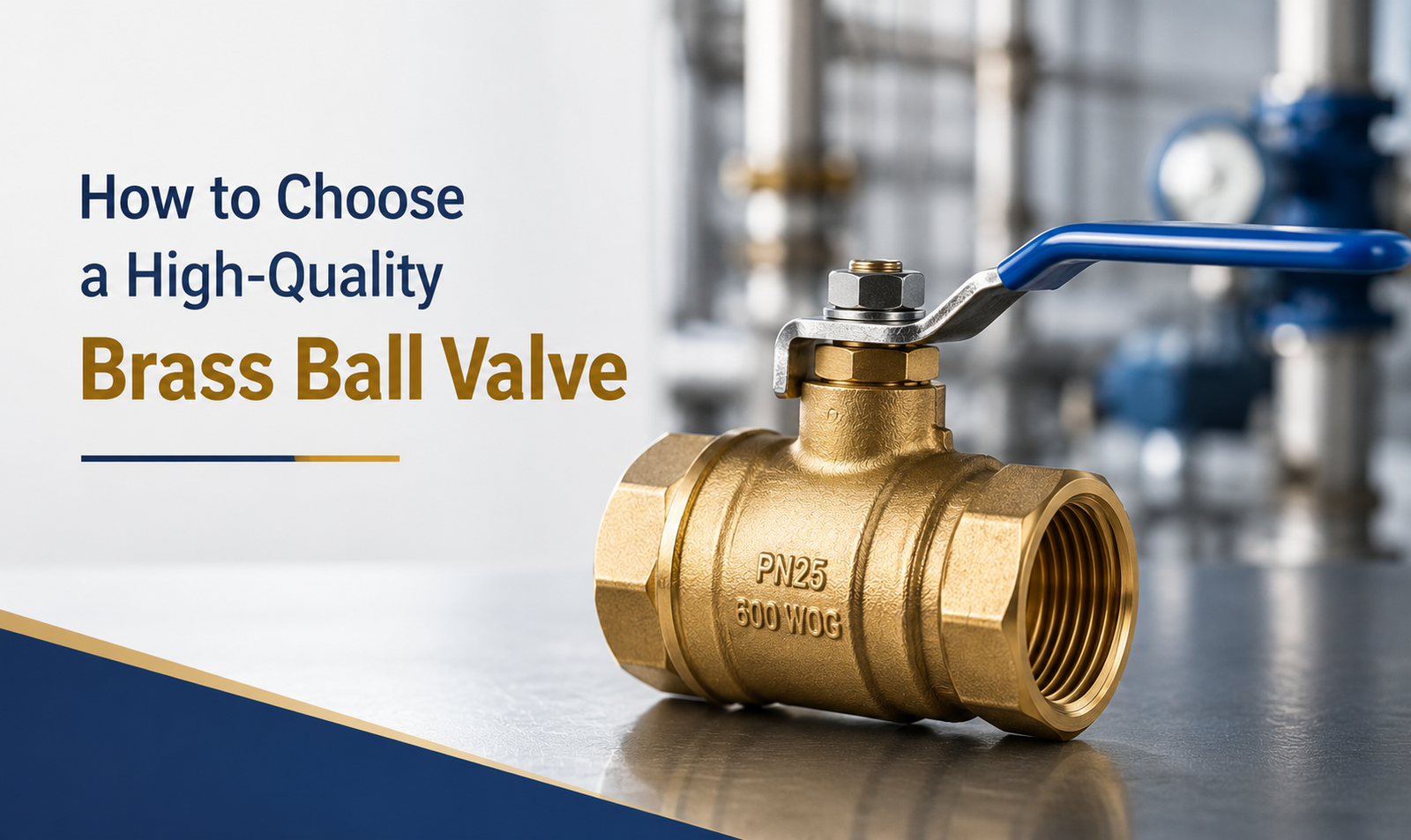
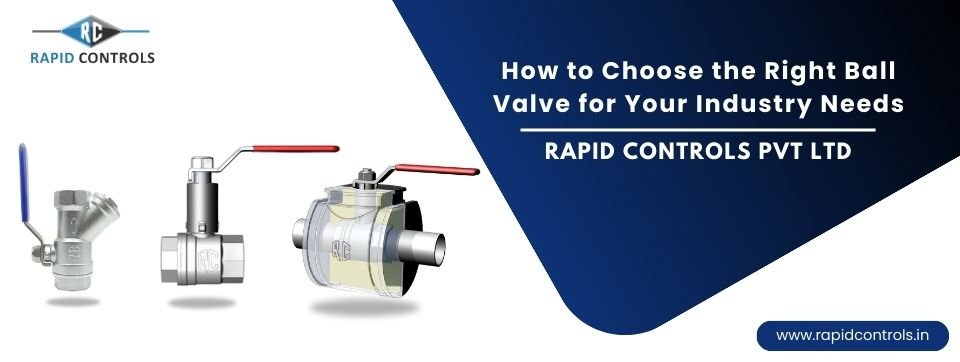
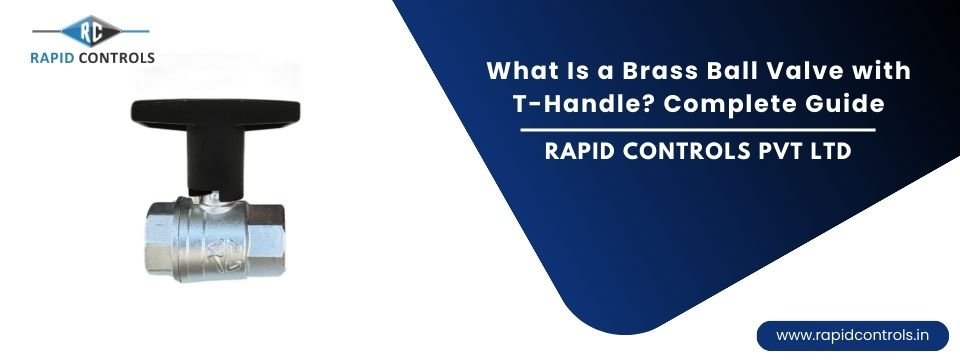
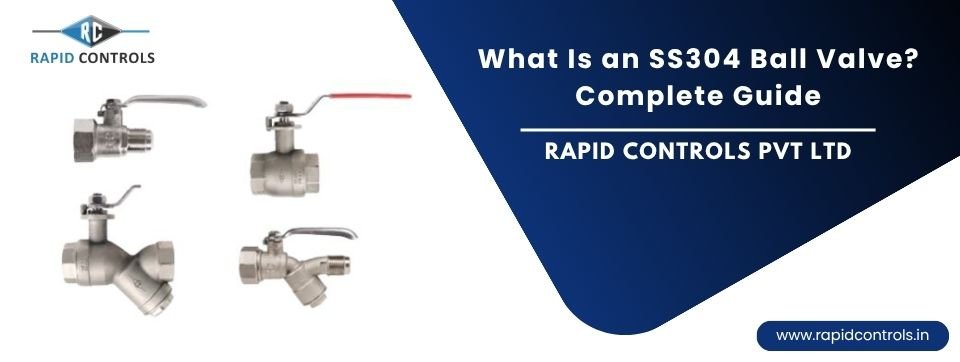
A ball valve is also a quarter-turn valve that uses a hollow, rotating ball with a bore to control flow. When the bore aligns with the pipe, flow occurs; when turned 90°, it stops.
Key Features
- Excellent sealing performance
- Leak-proof design
- High pressure capability
- Minimal maintenance
Ball valves are widely used in industrial pipelines, gas systems, chemical plants, and water supply systems.
3. Key Differences Between Butterfly Valve and Ball Valve
| Feature | Butterfly Valve | Ball Valve |
|---|---|---|
| Design | Rotating disc | Rotating ball |
| Size | Compact | Slightly bulky |
| Cost | Lower | Higher |
| Sealing | Moderate | Excellent |
| Pressure Handling | Medium | High |
| Flow Control | Good | Limited (on/off) |
| Maintenance | Easy | Very low |
4. Working Principle Comparison
Butterfly Valve Working
- A disc rotates inside the pipe
- Flow is partially or fully controlled
- Suitable for throttling
Ball Valve Working
- A drilled ball rotates
- Provides full open or full close
- Best for shut-off applications
5. Performance Comparison
- Flow Efficiency
Ball valve:
Full-port design offers zero pressure drop
Butterfly valve:
Disc remains in flow path → slight pressure loss
- Sealing Capability
Ball valve:
Provides tight shut-off and leak-proof sealing
Butterfly valve:
Good sealing but not as tight as ball valves
- Control Capability
Butterfly Valve:
Better for throttling and flow regulation
Ball valve:
Best for on/off control
6. Cost Comparison
Butterfly Valve
- lower initial cost
- ideal for large pipelines
Ball Valve
- higher cost
- better performance and durability
For budget-sensitive projects, butterfly valves are often preferred.
7. Space & Installation Comparison
Butterfly Valve
Compact and lightweight
Requires less space
Easy to install
Ball Valve
Slightly heavier
Requires more space
For tight installations, butterfly valves are a better choice.
8. Durability & Maintenance
Ball Valve
Highly durable
Minimal maintenance
Longer lifespan
Butterfly Valve
Moderate durability
Requires periodic maintenance
Ball valves are preferred for long-term reliability.
9. Applications Comparison
Butterfly Valve Applications
Water treatment plants
HVAC systems
Fire protection systems
Large-diameter pipelines
Irrigation systems
Ball Valve Applications
Oil & gas
Chemical processing
Industrial pipelines
Water supply systems
Compressed air systems
10. Which Valve Is Better for Your Industry?
Choose butterfly valve if:
1. You have large pipeline sizes
2. Budget is limited
3. Space is restricted
4. Flow control is required
Choose ball valve if:
1. You need tight shut-off
2. System operates under high pressure
3. Long-term durability is required
4. Leakage must be avoided
| Industry | Recommended Valve |
|---|---|
| Water Treatment | Butterfly Valve |
| HVAC Systems | Butterfly / Ball |
| Chemical Industry | Ball Valve |
| Oil & Gas | Ball Valve |
| Plumbing | Ball Valve |
| Irrigation | Butterfly Valve |
11. Final Conclusion
Both butterfly valves and ball valves play an important role in fluid control systems, but they serve different purposes. The choice depends on your application, pressure requirements, budget, and space constraints.
- Choose butterfly valves for cost-effective, large-scale flow control
- Choose ball valves for high performance, tight sealing, and durability
With a wide range of solutions for different applications, RC helps industries select the right valve for optimal performance, efficiency, and long-term reliability.